

949-361-8471

949-361-8471

Insurance Services

Top 10 HVAC Contractor Insurance Options in California Explained

Mike McDonough
Mike McDonough

Mike McDonough Founder and CEO · Published August 21, 2026 · 12 min read

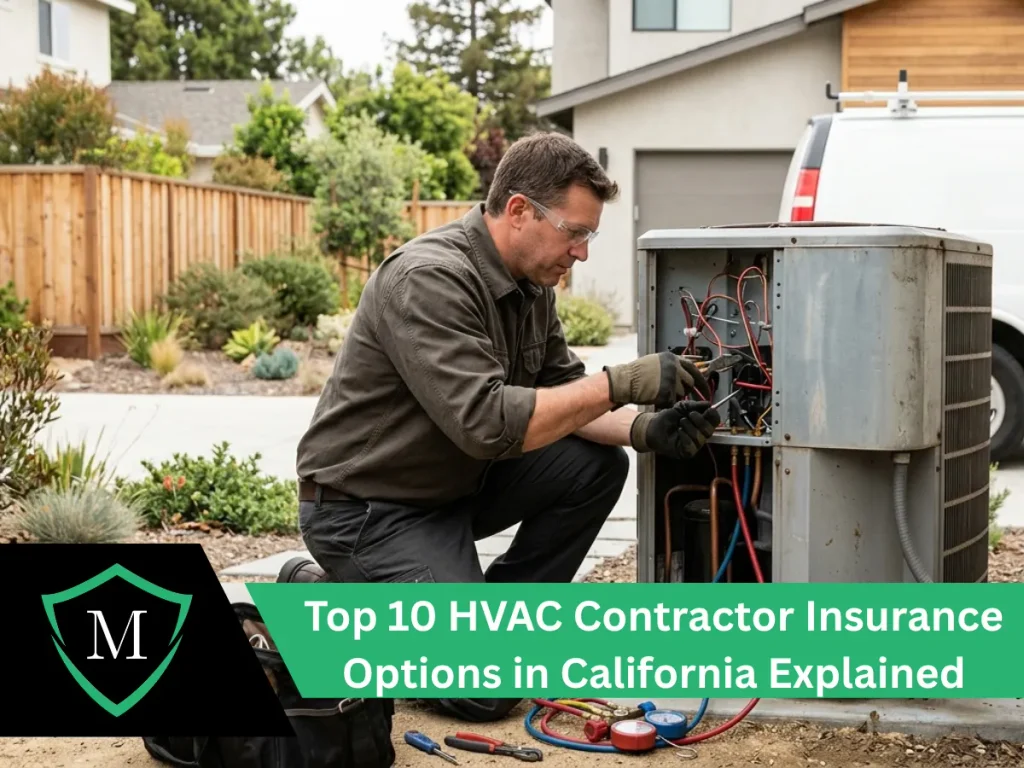
HVAC technician repairing outdoor air conditioning unit.
Mike McDonough
Mike McDonough

Founder and CEO, McDonough Insurance Services

Over four decades helping California businesses with commercial insurance.
Recent Posts

In California HVAC jobs aren’t just about adjusting thermostats or swapping filters. Picture a busy service day: trucks pull into driveways, ladders lean against rooftops, and power tools hum. One slip, a miswired connection, or a dropped condenser unit, and a routine service call can quickly turn into a financial or legal headache.

That’s where the right insurance becomes more than paperwork. It protects your business, your staff, and the homeowners who rely on your expertise. Without proper coverage, even minor accidents can escalate into costly claims, reputational damage, or operational disruptions.

This guide explains the 10 coverage options California HVAC businesses use most, what each one pays for, and who needs it. If you are ready for a quote, visit our HVAC contractor insurance page.

Key takeaways

Which Insurance Does an HVAC Business Need?

Most California HVAC businesses need general liability, workers’ compensation, commercial auto, and tools and equipment coverage, plus a $25,000 contractor license bond to keep their CSLB license active. Growing companies usually add professional liability, EPLI, cyber and business interruption as they take on more staff, data and larger contracts.

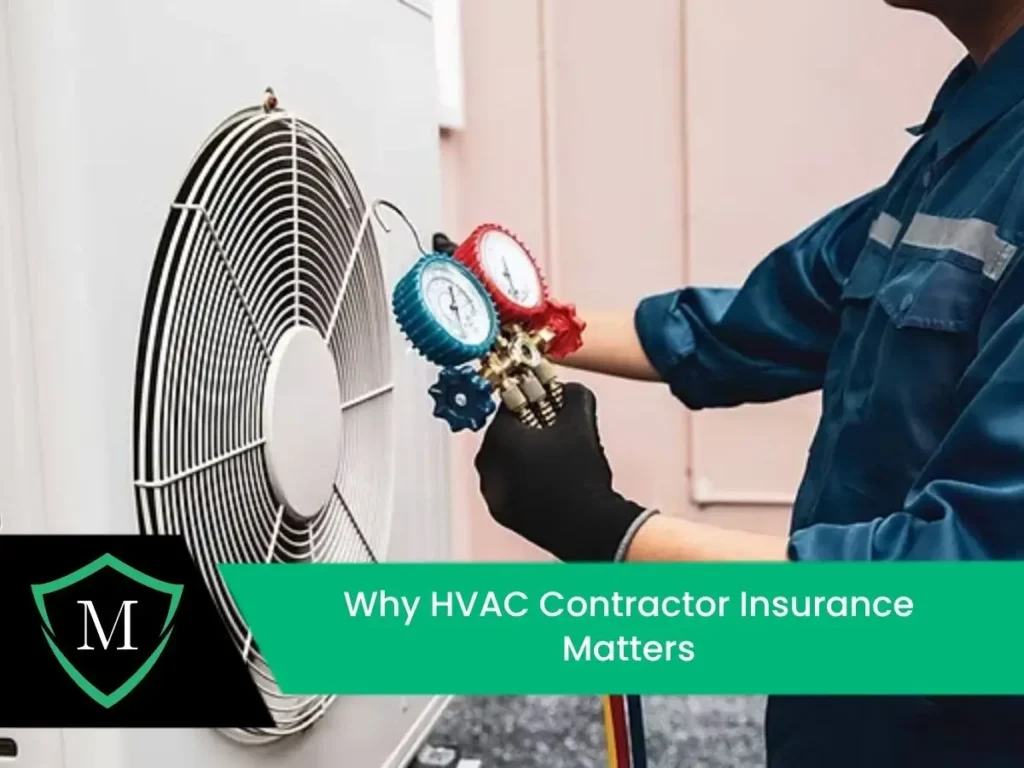
why hvac contractor insurance matters

HVAC work is high-risk. According to the U.S. Bureau of Labor Statistics, the construction and service industries consistently rank among the highest in workplace injuries. Common incidents include ladder falls and rooftop slips, electrical shocks, dropped units, and leaks that damage a customer’s property.

The Top 10 HVAC Contractor Insurance Options Explained

Each policy addresses a specific risk. Together they protect your business, your staff, and your customers.

1. General Liability Insurance

Covers third-party injuries and property damage on job sites, such as a dropped condenser that cracks a driveway or a ladder that damages a ceiling.

Who needs it most: every HVAC business that works on customer property. Many general contractors and commercial clients ask for a certificate of insurance before you start.

2. Workers’ Compensation Insurance

Pays for medical treatment, rehabilitation, and part of lost wages when an employee is hurt on the job, and shields the business from lawsuits related to employee injuries.

Who needs it most: every California HVAC contractor. The Contractors State License Board requires C-20 HVAC license holders to carry workers’ compensation even if they have no employees, a rule in place since January 1, 2023. Under California law, every employer must provide workers’ compensation, as the Division of Workers’ Compensation explains. Learn more on our workers’ compensation insurance page.
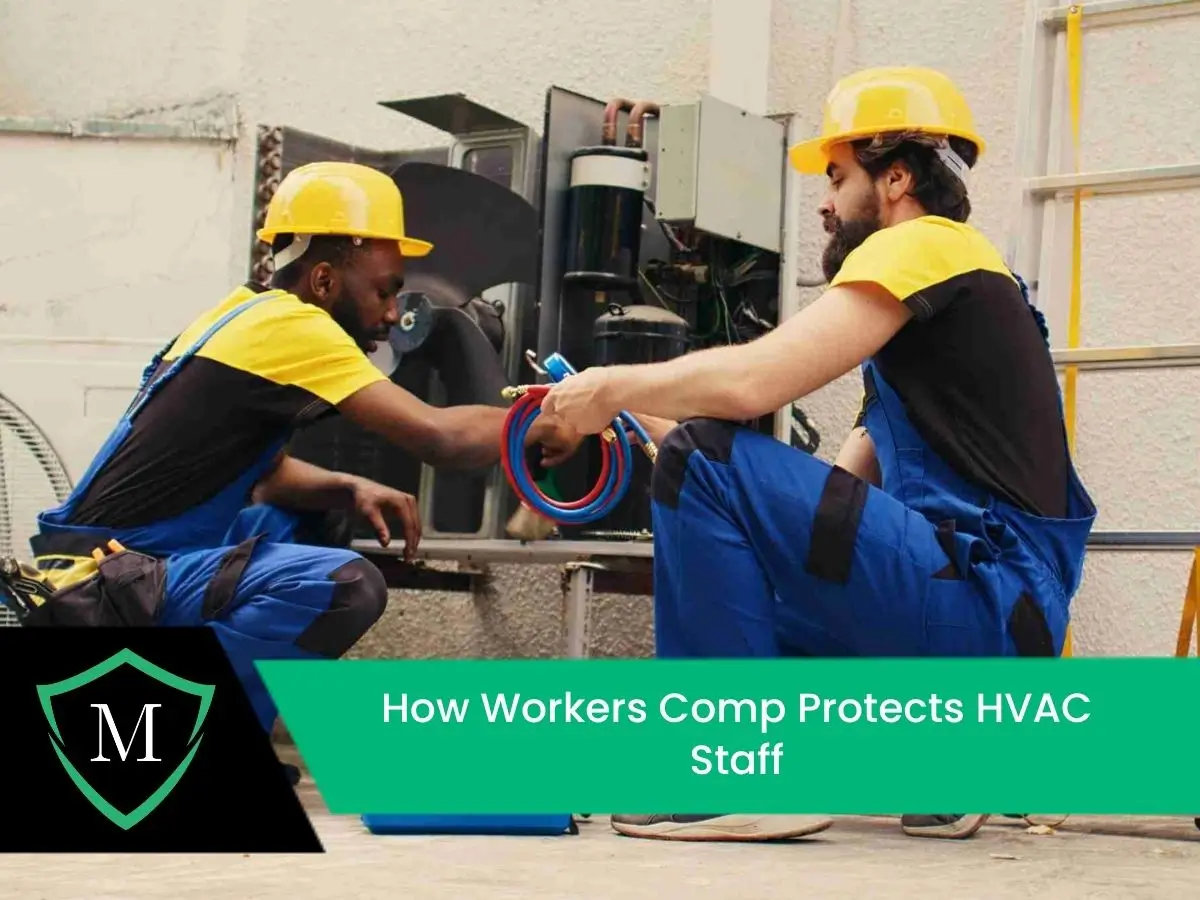
how workers comp protects hvac staff

3. Commercial Auto Insurance

Protects the vans and trucks your crew drives between calls, including liability if a company vehicle causes an accident.

Who needs it most: any business with company-owned vehicles. If employees drive their own cars for work, ask about hired and non-owned auto coverage.

4. Professional Liability Insurance (Errors and Omissions)

Covers installation errors, miscalculations, or service mistakes that cost a customer money, even when nothing was physically damaged.

Who needs it most: contractors who design systems, size equipment, or sign off on commercial projects.

5. Tools and Equipment Insurance

Pays to repair or replace gauges, recovery machines, vacuum pumps, and other specialized HVAC tools that are stolen or damaged on the job or in transit.

Who needs it most: any crew that leaves tools in vans or on job sites overnight.

6. Commercial Property Insurance

Safeguards offices, warehouses, and storage units, along with the parts and inventory inside them. Smaller shops sometimes combine property and liability coverage in one package; our guide to general liability vs a business owner’s policy explains the difference.

Who needs it most: businesses with a shop, office, or parts inventory.

7. Business Interruption Insurance

Helps replace lost income and pay ongoing bills when a covered loss, such as a fire at your shop, stops operations.

Who needs it most: companies that would lose weeks of revenue if their shop or main equipment were out of action.

8. Employment Practices Liability Insurance (EPLI)

Covers employee disputes like harassment, discrimination, or wrongful termination.

Who needs it most: any HVAC company with employees, especially one that is hiring quickly.

9. Cyber Liability Insurance

Many contractors underestimate cyber risks, assuming cyberattacks only target large companies. In reality, HVAC contractors store invoices, project plans, payment data, and customer records digitally. A data breach or ransomware attack could expose the business to legal and financial liability. Cyber liability insurance helps cover these modern risks.

Who needs it most: businesses that take card payments, use scheduling software, or store customer addresses and access codes.

10. Contractor License Bonds and Surety Bonds

Every active California contractor license needs a $25,000 contractor bond on file, according to the CSLB bond requirements. Separate surety bonds are often required for government or large commercial projects.

Who needs it most: every licensed contractor for the license bond, and commercial or public-works bidders for project bonds.

Extra Coverage Worth Considering

  • Contractors Pollution Liability (CPL): HVAC work often involves refrigerants and other substances that can create environmental hazards if accidentally released. CPL coverage helps protect contractors from pollution-related claims or cleanup costs.
  • Umbrella Insurance: Adds extra liability coverage beyond standard policies, which larger contracts often require.
  • Equipment Breakdown Insurance: Covers unexpected system or machinery failure.
  • Earthquake Coverage: Ask whether your property policy includes earthquake damage or whether your shop needs separate coverage.

Business insurance

Need a certificate for a new contract?

Get coverage that meets your client’s insurance requirements, at competitive rates.

Which Options Fit Your Type of HVAC Work

Service and Maintenance Crews

Focus on general liability, workers’ comp, commercial auto, and tools coverage. Technicians who enter many homes each week face frequent small property damage claims.

Installation and Commercial Projects

Add professional liability, umbrella limits, and surety bonds. Government, school, and commercial clients may refuse bids without proof of insurance.

Emergency and After-Hours Service

Night and weekend calls mean more driving and rushed work, so strong commercial auto and general liability limits matter most.

Working With Subcontractors

When general contractors and subcontractors work together without written responsibilities, disputes can arise quickly. In many real-world cases, both parties end up involved in lawsuits related to installation errors, project delays, or property damage. Use written agreements, collect a certificate of insurance from every subcontractor, and read our guide on whether subcontractors are covered under your contractor insurance.

California Insurance Requirements for HVAC Contractors

  • Workers’ compensation: required for every C-20 license holder, with or without employees.
  • Contractor license bond: $25,000, on file with the CSLB to keep the license active.
  • General liability and commercial auto: usually required by your contracts, which also set the limits.

Rules change, so confirm your license status with the CSLB and review your contracts before each renewal. Resources like the U.S. Small Business Administration explain the basics for small and mid-sized contractors.

What Affects the Cost of HVAC Insurance

Premiums depend on your payroll and job classifications, claims history, number of vehicles and drivers, the type of work you do (residential service or commercial installation), and the limits you choose. Choosing the lowest-cost insurance policy may seem attractive initially, but cheaper policies often contain the most exclusions and the least amount of protection. In many cases, contractors only discover these limitations after a claim occurs.

How to Choose the Best Insurance for a Small HVAC Business

  1. Start with what your license and contracts require.
  2. Compare coverage, exclusions, and limits, not only price.
  3. Work with an independent agent who can compare several carriers.
  4. Review your policies every year as you add staff, vehicles, or commercial work.

For coverage built around your crew and contracts, see our HVAC contractor insurance page.

Free coverage review

Compare quotes on coverage, not just price.

Risk Management Tips for HVAC Contractors

risk management tips for hvac contractors

Insurance is critical, but prevention reduces claims and lowers premiums. Key steps:

  • Conduct regular safety audits and equipment inspections
  • Implement employee training on ladder safety, electrical hazards, and safe lifting
  • Keep detailed records of jobs, incidents, and maintenance
  • Develop emergency plans using FEMA’s preparedness guidance.

A proactive approach can reduce accidents, protect employees, and save money on insurance.

Why Choose McDonough Insurance Services

Selecting the right insurance partner is as important as choosing the right coverage. McDonough Insurance Services has over 40 years of experience helping HVAC contractors in California navigate complex insurance decisions.

  • Client-first approach – Prioritizes protection over commission.
  • Strategic guidance – Tailors coverage to your specific HVAC operations
  • Comprehensive support – Help with claims, questions, and planning
  • Proven cost savings – Identifies hidden discounts without sacrificing coverage
  • Trusted reputation – Decades of satisfied contractor clients

Next Step: Check Your Coverage Against These 10 Options

HVAC work in California is challenging and risky, but proper insurance and proactive risk management transform uncertainty into confidence.

Before your next renewal, list your vehicles, payroll, contracts, and current policies. Then compare them with the 10 options above to see which ones fit your crew and work, and where you may have gaps.

Don’t wait for accidents to happen. Contact McDonough Insurance Services today to schedule a free consultation and get tailored insurance solutions that safeguard your business, employees, and clients.

Frequently Asked Questions

Final Thoughts

What insurance do HVAC contractors need in California?
Most need general liability, workers’ comp, commercial auto, tools coverage, and a $25,000 CSLB contractor bond. Larger firms add E&O, EPLI, and cyber.
Do HVAC contractors need workers’ comp with no employees?
Yes. C-20 HVAC license holders must carry workers’ comp even with no employees, under a CSLB rule in effect since 2023.
What is the best insurance for a small HVAC business?
The best fit covers your license and contract requirements first, then the risks you face most, like property damage, injuries, and vehicle accidents.
Does general liability cover HVAC installation mistakes?
It covers resulting property damage or injury. Claims that your design or advice cost a client money need professional liability.
How much does HVAC business insurance cost?
It depends on payroll, claims history, vehicles, type of work, and limits, so quotes vary from one business to the next.
Do HVAC contractors need EPLI?
If you have employees, EPLI protects against claims like harassment, discrimination, or wrongful termination.
MM

About the author

Mike McDonough

McDonough Insurance Services has been a trusted partner for businesses across California and beyond. At the heart of our success is Mike McDonough, a seasoned insurance professional with over 4 decades of experience.

Need a certificate for a contract?

Get a quote on coverage that matches the requirements, at competitive rates.

Already a client? Request a certificate