


When an agency caregiver makes a mistake, the agency is usually the employer, and its insurance responds first. When a caregiver is hired privately, the family may be the legal employer, and the caregiver may have no insurance at all, so the family and the caregiver can both end up paying. That difference matters most at the moment something goes wrong.
Picture a family that hires a private caregiver three days a week. Six months in, the caregiver helps their mother move from a wheelchair to her bed, she falls, and she breaks her hip. Who pays depends on how the caregiver was hired. This guide explains the liability difference between private and agency caregiving, what each side should carry, and how families and caregivers can protect themselves.
Key takeaways
- With an agency, the agency is usually the employer and carries liability insurance and workers’ compensation for its caregivers.
- Families who hire privately may become household employers, with responsibility for injuries on both sides.
- A California homeowners policy includes some workers’ compensation for household employees, but it does not cover a caregiver’s professional mistakes.
- Independent caregivers should carry their own liability coverage and a bond, even when working for one family.
Private vs. Agency Caregiver Liability at a Glance
| Question | Agency caregiver | Private caregiver |
|---|---|---|
| Who is the employer? | The agency | Often the family, or the caregiver if truly self-employed |
| Who covers a client injury? | The agency’s liability insurance | The caregiver’s own policy, if they have one |
| Who covers the caregiver’s injury? | The agency’s workers’ compensation | The family as employer, or the caregiver’s own coverage |
| Who screens and trains? | The agency | The family |
| Who covers theft? | The agency’s bond or crime coverage | The caregiver’s bond, if they have one |
| Who finds a backup caregiver? | The agency | The family |
The Core Question: Who Is the Employer?
Legal responsibility for a caregiver’s actions depends largely on who is considered the employer, and that isn’t always obvious.
When a Caregiver Is Hired Through an Agency
The agency is the employer of record. It carries liability insurance for its caregivers’ actions on the job, provides workers’ compensation if a caregiver is hurt, and is responsible for screening, training, and supervision. The family contracts with the agency, not the individual, so the agency’s insurance is the first line of defense.
When a Caregiver Is Hired Privately
When a family pays a caregiver directly, sets the schedule, and directs the work, the family may legally become the employer. That can leave the family responsible for injuries to the caregiver and exposed to claims if the caregiver injures the client and has no coverage. Caregivers hired privately face their own exposure: a fall during a transfer or a medication mistake can lead to a personal lawsuit.
Does Homeowners Insurance Cover a Caregiver?
Only partly. California requires homeowners policies with personal liability coverage to include workers’ compensation for household employees, but that built-in coverage may not fit a caregiver who works regular hours, so ask your insurer whether it is enough. A homeowners policy also does not cover a caregiver’s professional mistakes, so it is not a substitute for the caregiver carrying their own liability insurance.
Employee or Independent Contractor?
Calling a caregiver an independent contractor doesn’t settle the question. California applies a strict test to worker classification, and a caregiver whose schedule and duties the family controls may be treated as an employee. Our guide to 1099 vs. W-2 misclassification explains the risk for families and agencies alike. Caregivers found through online platforms are usually private hires too, because the platform connects the two sides but typically does not provide liability coverage.
Do Private Caregivers Need Insurance?
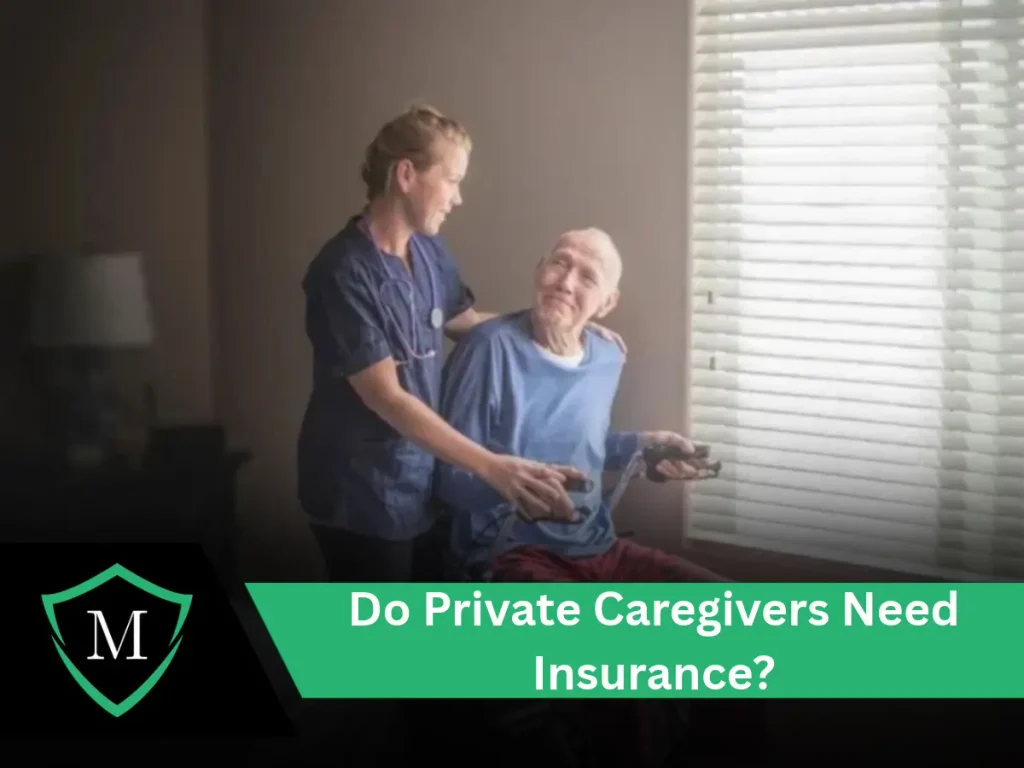
Yes. Independent caregiver insurance protects your personal finances, and many families ask for proof of it before hiring. Most private caregivers carry:
- General liability: for injuries and property damage, such as a client falling during a transfer
- Professional liability: for mistakes in the care itself, such as a missed medication or a care plan that wasn’t followed
- A dishonesty bond: for theft accusations, which liability insurance doesn’t cover
- Occupational accident coverage: for your own injuries, if you’re truly self-employed and not covered by anyone’s workers’ compensation
Many caregivers buy general and professional liability together in one policy. Learn more about caregiver liability insurance options for independent caregivers.
Caregiver Bonds vs. Liability Insurance
A bond protects the client if the caregiver is accused of stealing money or valuables. Liability insurance covers injuries, property damage, and care mistakes. They solve different problems, which is why many private caregivers carry both.
Independent caregivers
Get covered before your next client asks.
What Agencies Carry That Private Caregivers Usually Don’t

Agencies build a broader program because they answer for every caregiver they place. Beyond general and professional liability, most carry workers’ compensation for their staff, abuse and molestation coverage (often excluded from standard liability policies), a crime bond for theft claims, and employment practices liability for disputes over wage and hour rules, terminations, or discrimination. That depth is a big part of what families pay for when they choose an agency. Agencies can learn more on our home care insurance page.
For home care agencies
Check your coverage for the gaps families ask about.
- Abuse and molestation
- Crime bond for theft claims
- Workers’ comp for caregivers
- Employment practices liability
When Something Goes Wrong: Three Scenarios
A Transfer Injury With an Uninsured Private Caregiver
A client slips during a bed-to-wheelchair transfer and fractures her pelvis, and the family sues the caregiver. With general and professional liability, the policy defends the caregiver and pays up to its limits. Without it, the caregiver pays legal costs and any judgment personally.
A Medication Error at an Agency
An agency caregiver gives the wrong dose because the care plan wasn’t updated after a doctor’s visit, and the client is hospitalized. With professional liability, the agency’s insurer handles the defense and any settlement. With general liability alone, the claim may not be covered, because it alleges negligent care rather than an accident.
Theft by a Private Caregiver With No Bond
Over several months, a private caregiver takes cash and jewelry. With a bond, the family can recover the loss up to the bond limit. Without one, their only option is pursuing the caregiver in civil court, which rarely recovers everything.
How Families and Caregivers Can Protect Themselves

For families hiring privately:
- Ask for proof of the caregiver’s liability insurance and bond before the first visit.
- Check how your homeowners policy treats household employees, and add coverage if needed.
- Put duties, hours, and expectations in writing.
For independent caregivers:
- Carry general and professional liability, even if you work for only one family.
- Add a dishonesty bond, which many families request.
- Understand your classification, and cover your own injuries if no employer does.
McDonough Insurance Services works with independent caregivers, home health aides, and home care agencies across California. If you’d like help sorting out who is covered for what, call 949-361-8471 or contact us.
Frequently Asked Questions
Final Thoughts
Yes. One client is enough for a claim. If something goes wrong during care, the claim can be filed against you personally.
Disclaimer: This article is for general informational purposes only and is not legal, tax, or insurance advice. Coverage options, requirements, and pricing vary by business, industry, location, and carrier, and policy terms always govern. Reading this article does not create coverage or an advisory relationship. For guidance on your specific situation, contact McDonough Insurance Services at 949-361-8471 or request a quote. Our licensed team has helped California businesses find the right coverage since 1981.