
The cost of insurance for a flooring installer depends on the type of work performed, annual revenue, payroll, claims history, and the protection selected. A self-employed installer working alone may pay substantially less than a company with employees, work vehicles, and expensive equipment.
There is no single price that applies to every flooring business. The most useful way to estimate your budget is to compare the cost of individual policies, understand how insurers evaluate risk, and identify which expenses apply to your specific operation.
How Much Does Flooring Installer Insurance Cost?
There is no single price for every flooring installer. In California, the Department of Insurance approved an average advisory workers’ compensation pure premium rate of $1.65 per $100 of payroll, effective September 1, 2026. This is a statewide benchmark, not a specific rate for flooring installers or the final premium a business will pay. Actual costs depend on job classification, payroll, claims history, and the insurer’s pricing. Read the California Department of Insurance’s official 2026 rate announcement for details.
What Affects the Cost?

Insurance companies assess several details before setting a premium. Two installers with similar revenue can receive different prices because their work, claims history, and coverage needs are not identical.
Type of Flooring Work
The work you perform affects the risks an insurer evaluates. Carpet installation, laminate flooring, hardwood installation, tile work, and commercial flooring projects can involve different equipment, materials, job conditions, and potential losses.
For example, installing flooring in an occupied home may expose you to accidental damage to furniture or existing surfaces. A large commercial project may involve more workers, higher contract values, and stricter insurance requirements.
Describe every service accurately when applying for coverage. Leaving out tile installation, subcontracted work, or other activities could result in an inaccurate quote or coverage problems later.
Revenue and Payroll
Annual revenue helps insurers understand the scale of your operations. Higher revenue can indicate more jobs, more customer interactions, and greater exposure to potential claims.
Payroll is especially important when calculating workers’ compensation premiums. A business with several employees generally has a different risk profile from a sole proprietor who performs every installation personally.
Provide realistic revenue and payroll estimates. If your business grows during the policy term, ask your insurer or agent whether your policy needs to be updated.
Claims History
Previous insurance claims may influence the price of future coverage. Insurers can consider the number, type, severity, and timing of claims when evaluating an application.
A history of customer property damage, workplace injuries, or vehicle accidents may lead to closer underwriting review. A business that maintains documented safety procedures and addresses recurring problems may present a stronger risk profile, although no particular premium reduction is guaranteed.
Location and Project Size
Where you operate can influence pricing because insurers consider local conditions, legal requirements, and other regional risk factors.
The size and nature of your projects matter, too. Working on large commercial properties, handling costly materials, or operating at multiple job sites can change the type and amount of protection you need.
Tell the insurer whether you primarily serve residential customers, commercial clients, general contractors, or a combination of them.
Which Policies Affect Your Budget?
Your total annual expense depends on which protections you purchase. Each policy addresses a different type of financial exposure, so comparing prices without comparing coverage can produce misleading results.
General Liability
General liability typically addresses third-party bodily injury, property damage, and certain personal or advertising injury claims, subject to the policy terms.
Imagine an installer accidentally damages a customer’s expensive countertop while moving flooring materials. Depending on the circumstances and policy wording, liability coverage may help with a covered property damage claim and related legal defense.
However, a liability policy should not be assumed to pay for every faulty installation, repair, or replacement. Workmanship disputes, damage to your own work, and contractual obligations require careful review of the policy exclusions and endorsements.
Workers’ Compensation
Workers’ compensation helps provide benefits for covered employee work-related injuries and illnesses. Its price is strongly influenced by payroll, job classifications, the insurer’s applicable rates, and claims experience.
Flooring installation involves lifting heavy materials, kneeling for extended periods, handling cutting equipment, and working in active construction areas. These activities make accurate employee classifications and workplace safety important considerations.
Requirements vary by state. In California, employers generally must provide workers’ compensation insurance even if they have only one employee, with specific rules and exceptions applying to certain situations. Review the California Department of Industrial Relations’ employer guidance before deciding whether your business is exempt.
Commercial Auto
Commercial auto expenses depend on the vehicles used for work, driving records, vehicle values, coverage limits, and how the vehicles are operated.
A contractor transporting flooring materials, saws, adhesives, and employees in a work van may need different protection from an installer who uses a vehicle only occasionally for business purposes.
Do not assume a personal auto policy covers every business-related trip. Explain how each vehicle is used and confirm whether the policy covers the drivers, cargo-related exposures, and other circumstances relevant to your operations.
Tools and Equipment
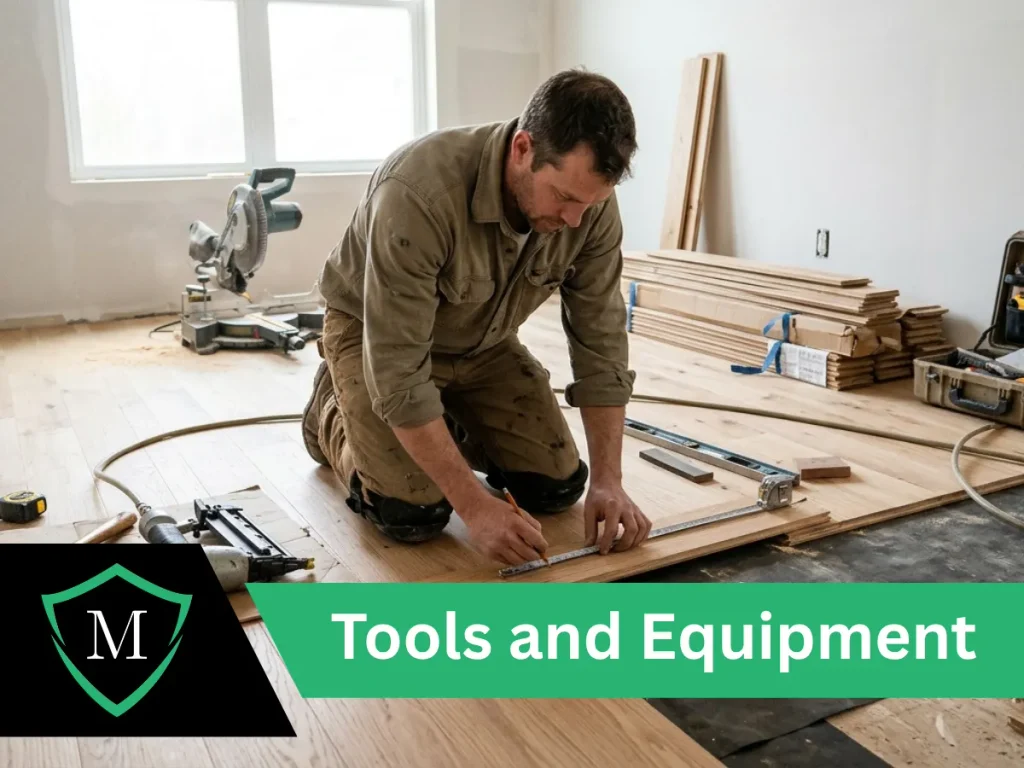
Saws, sanders, nailers, moisture meters, and other installation equipment can represent a significant investment. The cost of protecting them depends on their value, the selected limit, the deductible, and the risks covered.
A contractor who keeps equipment in a locked workshop has different exposure from one who transports tools between job sites every day.
Review whether the policy covers theft from vehicles, equipment in transit, rented tools, and equipment temporarily stored at a customer’s property. Coverage varies, and some situations may require additional terms or endorsements.
Commercial Property and Business Interruption
If you own or rent a warehouse, office, or storage space, consider the financial consequences of damage to the premises and business property.
Commercial property insurance may cover eligible physical losses involving insured property. Business interruption coverage, when included or purchased, may help replace covered lost income or operating expenses after a qualifying event causes a shutdown.
These protections are not automatically included in every policy. Review the covered causes of loss, waiting periods, limits, and exclusions before estimating their value to your business.
How Do Coverage Limits and Deductibles Change the Price?
Coverage limits determine the maximum amount an insurer may pay for a covered claim under the applicable terms. Higher limits generally cost more, although the final price depends on the policy and underwriting details.
For example, a general liability policy may have a per-occurrence limit and a separate aggregate limit. The first generally applies to an individual covered occurrence, while the second limits payments across certain claims during the policy period.
A deductible is the amount you are responsible for paying toward a covered loss before the insurer pays the remaining eligible amount, subject to the policy. Selecting a higher deductible may reduce the premium, but it also increases the amount you may have to pay after a claim.
Consider your available cash reserves before choosing a deductible. Saving a small amount on the annual premium may not be worthwhile if the deductible would be difficult to afford after theft or property damage.
Why Do Two Installers Receive Different Quotes?
Insurance quotes reflect the details of each business rather than simply its trade name. One installer may work alone on residential projects, while another employs a crew, performs commercial installations, and uses multiple work vehicles.
Those differences can affect payroll exposure, liability risks, equipment values, and policy requirements. Even businesses with similar operations may receive different offers because insurers use different underwriting criteria and pricing models.
Compare quotes using the same information and similar coverage terms. Check the limits, deductibles, exclusions, endorsements, and payment arrangements instead of choosing the lowest premium automatically.
The U.S. Small Business Administration’s guidance on business insurance recommends assessing business risks and comparing available coverage options. That approach is useful when deciding which protections belong in your budget.
How Can You Avoid Paying for the Wrong Coverage?
Start by describing your operations accurately. List the flooring materials you install, the services you provide, the locations where you work, your employees, your vehicles, and the equipment you own.
Next, review your contracts. General contractors, commercial property managers, and customers may require specific limits, certificates, or additional insured endorsements. These requirements can affect the coverage you need, but a contract requirement does not automatically mean every policy provides the requested protection.
Ask the insurer or licensed agent to explain exclusions and limitations in plain language. Pay particular attention to completed operations, damage to property in your care, subcontractor arrangements, and tools kept in vehicles overnight.
Finally, review your coverage at renewal. Changes in revenue, payroll, services, equipment, or contract size may mean your existing policy no longer reflects your business accurately.
Can You Deduct Insurance Premiums as a Business Expense?
Business insurance premiums may qualify as tax-deductible expenses when they meet applicable tax rules. The treatment depends on the type of policy, how it is used, and the business’s circumstances.
The IRS discusses deductible business insurance expenses in its Small Business Tax Guide, including qualifying liability, workers’ compensation, and business vehicle insurance.
Keep invoices, policy documents, and payment records with your business tax records. Do not assume that every insurance payment is deductible in the same way. Ask a qualified tax professional how the rules apply to your business and business structure.
What Can Flooring Installers Do to Reduce Risk?
Good risk management can help prevent losses and support more consistent business operations. It does not guarantee a lower premium, but it may help insurers understand how you manage hazards.
Keep work areas organized, secure tools when they are not in use, inspect equipment regularly, and train employees to handle materials safely. Establish procedures for protecting customers’ furniture, finished surfaces, and nearby property during installation.
Document incidents and corrective actions. If a claim occurs, accurate records can help explain what happened and what steps your business took afterward.
The Occupational Safety and Health Administration offers guidance on preventing workplace slips, trips, and falls. Although that resource addresses housekeeping environments, its principles around clear walkways, clean work areas, and prompt hazard correction are relevant to many job sites.
How to Estimate Your Annual Insurance Budget
An effective budget starts with the policies that apply to your operations rather than a single industry-wide average.
Ask for separate estimates for liability, workers’ compensation, commercial auto, and tools or property protection where applicable. Add the annual premiums, policy fees, and other known insurance-related expenses to estimate your total cost.
Then check whether the estimates use the correct payroll, revenue, vehicles, equipment values, and coverage limits. If your business uses subcontractors, clarify what documentation the insurer needs and how those arrangements affect underwriting.
Remember that the lowest initial quote may not represent the best long-term value. A policy with a lower premium but important exclusions or insufficient limits could leave your business exposed to a loss it cannot comfortably absorb.
How to Budget for Flooring Installation Insurance
Understanding flooring installer insurance costs starts with knowing what your business does, which risks it faces, and what each policy actually covers. Rather than relying on a general average, compare accurate quotes and review the limits, deductibles, exclusions, and state requirements that apply to your work.
McDonough Insurance Services helps businesses explore insurance options based on their operations and coverage needs. If you need help evaluating your business’s risks, request a free consultation to discuss the protections that may fit your flooring installation work.
Frequently Asked Questions
How much does insurance cost for a self-employed flooring installer?
The price depends on the work performed, revenue, location, claims history, and policies selected. An installer working alone may not need the same coverage as a company with employees and several vehicles. Request a quote based on your actual operations.
Does a flooring installer need workers’ compensation?
Requirements depend on state law and employment status. California generally requires employers to carry workers’ compensation even when they have one employee. Certain contractor classifications and exceptions can affect the rules, so verify your specific situation with the relevant state agency.
Does insurance cover damage caused by a flooring installation?
A liability policy may cover certain third-party property damage claims, depending on the circumstances and policy terms. Faulty workmanship, the cost of correcting your own work, and damage to the work itself may be excluded or treated differently. Review the policy wording before assuming a claim is covered.
Does a higher deductible lower the premium?
A higher deductible may reduce the premium, but the savings vary by policy. You must be prepared to pay the deductible when a covered loss occurs. Compare the potential savings with the amount your business could afford to pay out of pocket.
Are tools stolen from a work van covered?
Coverage depends on the policy, the circumstances of the theft, and any applicable exclusions or security conditions. Confirm whether tools are insured while inside a vehicle, in transit, or stored overnight at a job site.