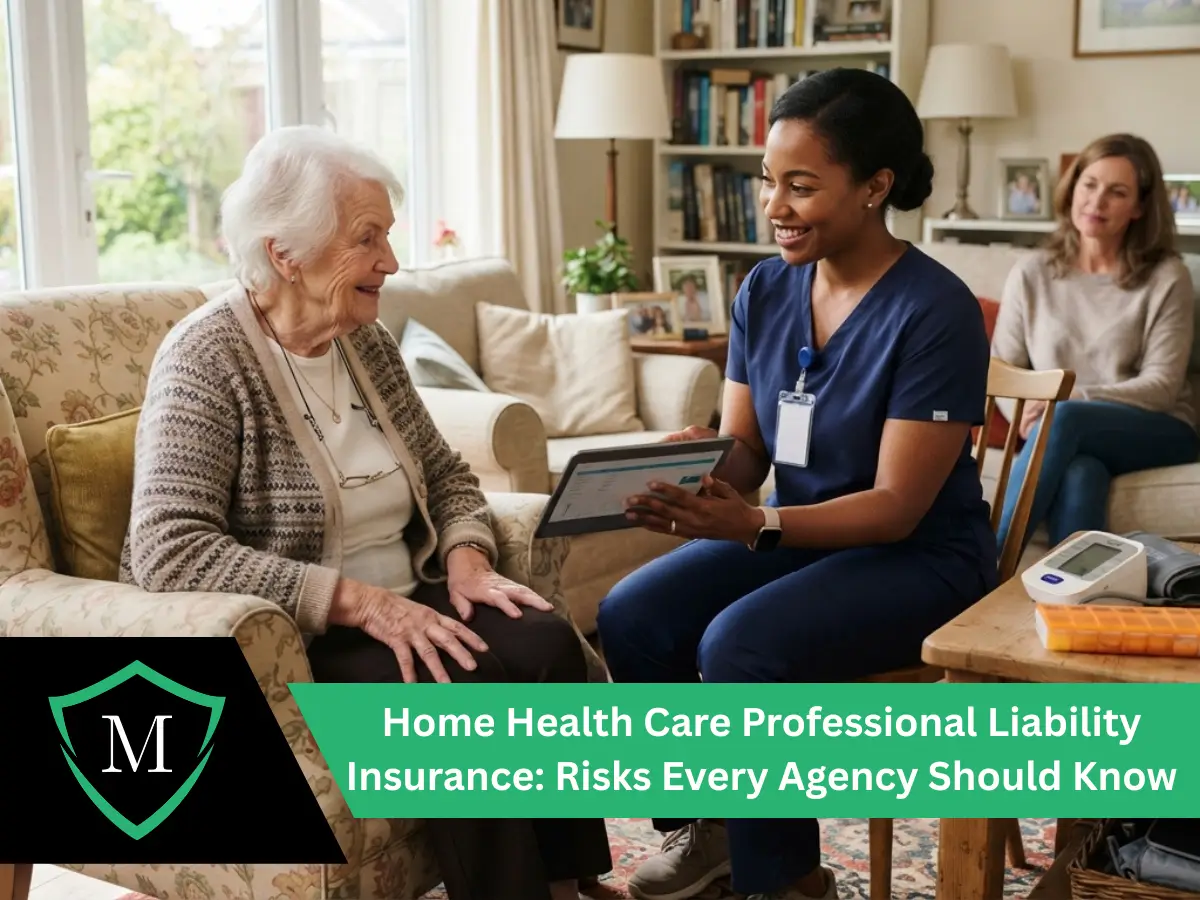
Home health care providers face unique liability risks because they deliver care in patients’ homes, where conditions are less controlled than hospitals or clinics. Professional liability insurance helps protect agencies and caregivers when allegations of negligence, documentation errors, or clinical mistakes lead to lawsuits or regulatory investigations. While quality care reduces risk, even experienced professionals can face claims that require costly legal defense.
As demand for in-home healthcare continues to grow, so does the complexity of managing patient safety, regulatory compliance, and legal exposure. Understanding where liability risks come from and how insurance responds can help agency owners make informed decisions that protect both their patients and their business.
Why Professional Liability Insurance Matters in Home Health Care
Unlike general business insurance, professional liability insurance focuses on claims related to the healthcare services you provide. If a patient or family member believes a caregiver’s actions, judgment, or failure to act caused harm, this coverage can help pay for legal defense, settlements, or judgments, subject to the policy’s terms.
Claims do not always stem from actual negligence. Miscommunication, incomplete documentation, or differing expectations between families and caregivers can all result in allegations that require legal representation. Even when a provider is ultimately cleared of wrongdoing, defending a claim can be expensive and time-consuming.
The increasing number of older adults choosing to age in place has also expanded the responsibilities of home health agencies. Skilled nursing, medication management, wound care, rehabilitation services, and chronic disease monitoring all introduce professional exposures that should be addressed through appropriate insurance coverage.
Professional Liability vs. General Liability: Understanding the Difference
One of the most common misconceptions among agency owners is that general liability insurance covers every type of lawsuit. In reality, the two policies serve very different purposes.
General liability insurance typically responds to claims involving bodily injury or property damage unrelated to professional healthcare decisions. For example, if a visitor slips on a wet floor inside your office, general liability coverage may apply.
Liability insurance addresses claims arising from the healthcare services your staff provides. If a nurse administers the wrong medication dosage, fails to recognize worsening symptoms, or documents patient care incorrectly, those allegations generally fall under professional liability rather than general liability.
Many healthcare organizations carry both policies because each protects against different categories of risk. Depending on the services offered, agencies may also need cyber liability, workers’ compensation, commercial auto insurance, or employment practices liability insurance to build a more complete risk management strategy.
The Most Common Professional Liability Risks for Home Health Agencies
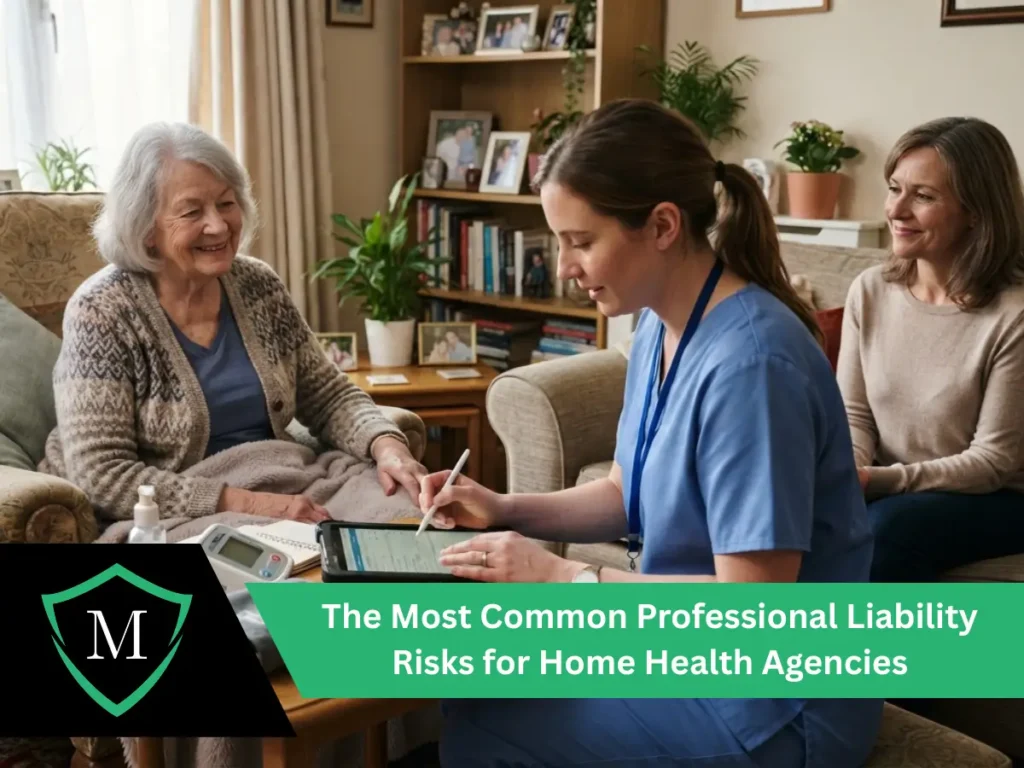
Every patient presents different medical needs, living environments, and family dynamics. These variables create liability exposures that extend well beyond clinical treatment.
Documentation Errors
Medical records tell the story of the care provided. Missing information, vague notes, or delayed documentation can make it difficult to demonstrate that appropriate care was delivered.
In many liability claims, incomplete documentation becomes one of the first issues attorneys examine. Even if excellent care was provided, poor records may weaken a provider’s defense.
Agencies should establish documentation standards that emphasize accuracy, timeliness, and consistency. Electronic health records, regular audits, and supervisor reviews can help identify problems before they become larger legal concerns.
Medication Management Mistakes
Medication-related incidents remain one of the leading sources of healthcare liability claims. Errors may involve incorrect dosages, missed medications, failure to monitor side effects, or misunderstanding physician instructions.
These situations often involve multiple healthcare providers, increasing the possibility of communication breakdowns. Agencies should implement clear medication verification procedures and encourage staff to report concerns immediately whenever treatment instructions appear inconsistent or unclear.
The Agency for Healthcare Research and Quality (AHRQ) provides evidence-based resources that help healthcare organizations improve patient safety and reduce preventable medical errors.
Patient Falls and Mobility Assistance
Falls frequently occur in home environments where agencies have limited control over hazards such as loose rugs, poor lighting, uneven flooring, or cluttered walkways.
Although not every fall results from caregiver negligence, allegations often focus on whether appropriate fall-risk assessments were performed, mobility assistance was adequate, or safety recommendations were properly documented.
Regular reassessments, caregiver training, and clear communication with patients and family members can significantly reduce these exposures.
Communication Breakdowns
Many professional liability claims begin with misunderstandings rather than obvious medical mistakes.
Families may believe symptoms were ignored, physicians may not receive important updates, or shift changes between caregivers may result in incomplete information being shared.
Effective communication requires standardized reporting procedures, documented care plans, and timely escalation whenever a patient’s condition changes unexpectedly.
Home Health Care Liability Risks Extend Beyond Clinical Care
Professional liability isn’t limited to direct medical treatment. Administrative decisions, hiring practices, and operational oversight also influence an agency’s exposure.
For example, failing to verify professional licenses, conduct background checks, or provide ongoing competency training may increase liability if an incident occurs. Likewise, inadequate supervision of newly hired caregivers can create additional legal challenges when agencies cannot demonstrate appropriate oversight.
Patient privacy presents another growing concern. Home health professionals regularly handle sensitive medical information through electronic health records, mobile devices, and remote communication. A data breach or unauthorized disclosure could trigger investigations, notification requirements, and legal expenses.
The U.S. Department of Health and Human Services (HHS) publishes guidance on protecting patient information under the Health Insurance Portability and Accountability Act (HIPAA). Agencies that prioritize privacy policies, secure technology, and employee education are generally better positioned to reduce both regulatory and liability risks.
Professional Liability Risks for Individual Caregivers
Agency owners are not the only professionals exposed to legal claims. Nurses, therapists, aides, and other caregivers may also be named individually in lawsuits.
Even experienced professionals can face allegations involving delayed treatment, failure to recognize changing patient conditions, improper wound care, medication errors, or inadequate patient education. In some situations, both the caregiver and the employing agency may be included in the same legal action.
This is one reason why many healthcare professionals choose to carry their own professional liability insurance in addition to the coverage maintained by their employer. Individual policies may provide broader protection for legal defense, licensing board proceedings, or situations where employment changes affect coverage.
How Skilled Nursing Insurance Coverage Differs From Non-Medical Home Care
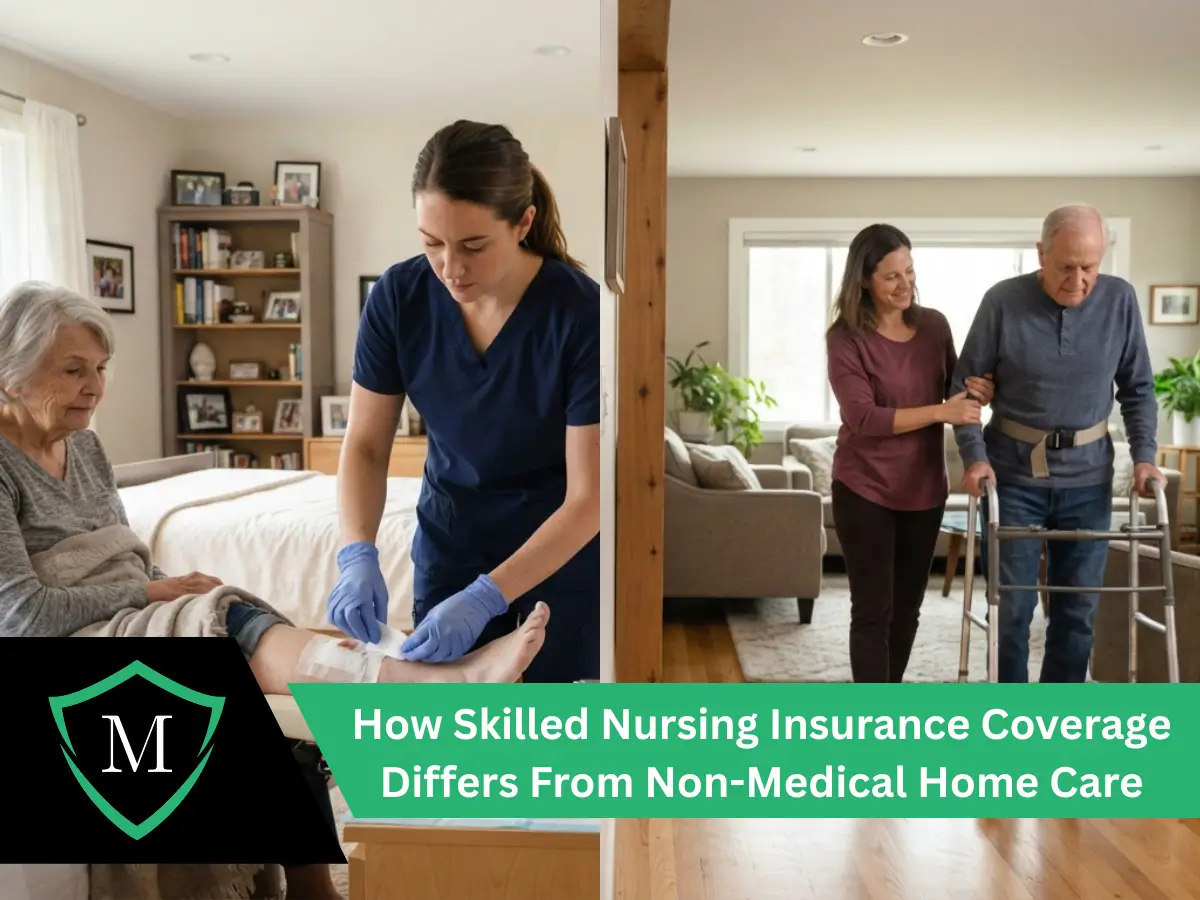
Not every home care agency faces the same level of professional risk. An agency providing companionship, meal preparation, or assistance with daily living generally has different liability exposures than one delivering skilled nursing services.
Skilled nursing involves licensed healthcare professionals performing clinical tasks such as wound care, injections, medication administration, catheter care, IV therapy, and chronic disease management. Because these services require medical judgment, the likelihood of malpractice allegations is significantly higher.
As clinical responsibilities increase, insurance programs often need higher professional liability limits and broader coverage tailored to skilled healthcare services. Agencies expanding from non-medical home care into skilled nursing should review their insurance regularly to ensure their policy reflects the services they now provide.
Understanding Assisted Living Liability
Many people assume assisted living communities and home health agencies face identical risks, but their responsibilities differ.
Assisted living providers oversee an entire residential environment, creating additional exposures related to premises safety, staffing, resident supervision, emergency preparedness, and facility operations. Home health agencies, by contrast, deliver care in a patient’s residence where they have limited control over environmental conditions.
Despite these differences, both settings share common liability concerns, including medication management, documentation accuracy, infection prevention, patient rights, and allegations of neglect or inadequate care. Organizations serving both markets should ensure their insurance program addresses the specific risks associated with each operation.
What Professional Liability Insurance Typically Covers
A professional liability policy is designed to respond when claims arise from the healthcare services your organization provides. Coverage varies by insurer, but many policies help with legal defense costs, settlements or court judgments, expert witness expenses, and claims alleging negligence, errors, or omissions in professional care.
Some policies may also include coverage for licensing board investigations or disciplinary proceedings, depending on the policy language.
However, liability insurance is not intended to replace every other form of business insurance. Agencies often benefit from combining it with general liability, workers’ compensation, cyber liability, commercial auto insurance, and a Business Owner’s Policy (BOP) to create more comprehensive protection.
Reviewing policy wording carefully with an experienced insurance advisor is essential because coverage limits, exclusions, and endorsements vary between carriers.
Common Exclusions Agency Owners Should Know
Understanding what a policy does not cover is just as important as understanding what it does.
Professional liability insurance generally excludes intentional wrongdoing, criminal acts, fraudulent conduct, and claims arising from services outside the provider’s professional qualifications or licensing.
Many policies also exclude employment-related disputes, cyber incidents, or property damage unless separate coverage has been purchased.
Because exclusions differ among insurers, agencies should review their policies annually, especially after expanding services, hiring additional staff, or entering new contracts.
Reducing Liability Risks Before Claims Occur

Insurance provides financial protection, but preventing claims remains the most effective strategy.
Successful home health agencies build a culture centered on patient safety, communication, and accountability. Regular staff education, clinical competency reviews, thorough documentation, and standardized care protocols help reduce preventable errors.
Incident reporting is equally important. Small issues that are documented and addressed early are often less likely to develop into significant legal disputes later.
Strong hiring practices also make a difference. Verifying professional licenses, conducting background checks, checking references, and providing ongoing supervision demonstrate an agency’s commitment to quality care.
Workplace safety deserves attention as well. The Occupational Safety and Health Administration (OSHA) provides guidance on protecting healthcare workers from hazards such as bloodborne pathogens, workplace violence, and ergonomic injuries. Following these recommendations can improve employee safety while strengthening an agency’s overall risk management program.
Choosing the Right Insurance Policy
No two home health agencies operate exactly alike, which means insurance should never be treated as a one-size-fits-all purchase.
When evaluating professional liability insurance, consider the types of services you provide, whether your caregivers are employees or independent contractors, the number of licensed professionals on staff, contractual insurance requirements, and the limits appropriate for your level of exposure.
It’s also important to understand whether a policy is written on a claims-made or occurrence basis and how coverage applies if your agency changes insurers in the future. Asking these questions before purchasing coverage can help prevent unexpected gaps when a claim arises.
Working with an insurance advisor who understands healthcare operations can make it easier to identify risks that may not be obvious during a standard policy review.
Final Thoughts
Providing care in a patient’s home is both rewarding and complex. Every visit involves clinical decisions, communication with families, detailed documentation, and compliance with healthcare regulations. Even organizations with excellent patient outcomes can face allegations that require significant legal and financial resources to resolve.
Professional liability insurance plays a critical role in protecting home health agencies, skilled nursing providers, and caregivers from these unexpected challenges. Combined with effective risk management and a commitment to quality care, the right insurance program helps organizations focus on what matters most, delivering safe, compassionate healthcare.
If you’re reviewing your current coverage or planning to expand your services, McDonough Insurance Services can help you evaluate your liability exposures and build an insurance program that aligns with your organization’s needs. Whether you operate a home health agency, provide skilled nursing services, or manage other healthcare operations, McDonough Insurance Services offers guidance tailored to your level of risk.
Frequently Asked Questions
What is home health care professional liability insurance?
Home health care professional liability insurance helps protect agencies and healthcare professionals when claims allege negligence, errors, omissions, or other mistakes made while providing professional healthcare services. It can help cover legal defense costs, settlements, and judgments, subject to the policy’s terms.
Is professional liability insurance different from general liability insurance?
Yes. Professional liability insurance covers claims related to the healthcare services you provide, while general liability insurance typically covers third-party bodily injury, property damage, and certain advertising injury claims unrelated to professional medical care.
Do home health aides need professional liability insurance?
Many home health aides benefit from professional liability coverage, particularly if they perform clinical duties or provide direct patient care. Individual policies may also offer protection if the caregiver is personally named in a lawsuit.
Does professional liability insurance cover medication errors?
Many policies may respond to covered claims involving medication-related negligence, such as administering the wrong dosage or failing to follow physician instructions. Coverage depends on the specific policy terms and the circumstances of the claim.
How can agencies reduce professional liability claims?
Consistent documentation, ongoing staff training, effective communication, incident reporting, quality assurance programs, and regulatory compliance all help reduce liability risks and improve patient safety.