Construction sites are busy places. Power tools hum, ladders stretch toward the sky, and trucks come and go. It’s productive chaos. But hidden inside that daily grind is risk. One misplaced step, a falling tool, a wiring mistake, and suddenly a routine job turns into a legal or financial nightmare.
That’s where contractor insurance coverage becomes more than paperwork. It becomes protection for your business, your workers, and even the homeowners trusting you with their property.
Contractors don’t just build structures. They build reputations. And without the right insurance, one accident can tear that reputation down faster than a demolition crew.
Below is a practical guide explaining the types of coverage contractors rely on, what each policy protects, and why smart business owners treat insurance as part of their growth strategy, not just a legal requirement.
Why Contractor Insurance Matters More Than Most Think
Construction consistently ranks among the highest-risk industries in the world. According to research from the BLS, nearly 20% of U.S. workplace fatalities occur in the construction industry. These deaths are largely driven by the “Fatal Four” hazards: falls, struck-by incidents, electrocutions, and caught-in/between accidents. Even when accidents aren’t catastrophic, small incidents can create expensive consequences:
• Medical bills for injured workers
• Property damage claims
• Lawsuits from clients
• Project delays
• Lost contracts due to missing coverage
Without contractor insurance coverage, those costs come directly from your pocket.
Another overlooked risk involves the absence of clear subcontractor agreements. When responsibilities between general contractors and subcontractors are not clearly defined in writing, disputes can escalate quickly. In many cases, both parties can become involved in costly lawsuits over project delays, property damage, or safety violations. Proper insurance and well-structured agreements help reduce that legal exposure.
The truth is simple. Contractors who carry the right insurance don’t just protect themselves. They also signal professionalism. Homeowners and commercial clients feel safer hiring someone who has planned for the unexpected.
Types of Contractor Insurance Explained
Insurance for contractors isn’t a single policy. Think of it like a toolbox. Each type of coverage handles a different kind of risk. Some tools you’ll use daily. Others stay in the box until a problem appears.
Here are the most common types of contractor insurance explained.
General Liability Insurance
This is the foundation of most contractor insurance plans. General liability protects your business if someone claims your work caused property damage or injury.
Common situations include:
• A ladder falls and damages a parked car
• A client trips over equipment on site
• A renovation accidentally damages plumbing or electrical systems
• A neighbor’s property gets damaged during construction
When people search for what contractor liability insurance covers, these are exactly the kinds of scenarios they’re talking about.
General liability insurance typically helps pay for:
• Legal defense costs
• Medical expenses
• Property repairs
• Settlements or court judgments
Without it, even a minor claim can cost tens of thousands of dollars.
However, contractors should remember that choosing the lowest-cost policy can sometimes mean the policy contains the most exclusions and the least amount of actual protection. A cheap policy may leave important risks uncovered, which defeats the purpose of having contractor insurance coverage in the first place.
Workers’ Compensation Insurance
Construction crews face daily hazards. Heavy materials, electrical work, heights, and power tools all increase the chance of injuries.
Workers’ compensation protects both the contractor and the employees when those injuries occur.
Many states legally require this coverage once you hire workers.
To understand workplace injury protections, you can review guidance from the U.S. Department of Labor.
How Workers Comp Protects Contractors
Workers comp isn’t just about helping employees. It also protects the business owner from lawsuits. If a worker is injured on the job, workers compensation may cover:
• Medical treatment
• Rehabilitation services
• Lost wages during recovery
• Disability benefits
Without workers comp, an injured worker could sue your business directly for those costs.
This protection becomes especially important when subcontractors and multiple crews are working on the same project site. If responsibilities are unclear or agreements are missing, contractors can find themselves drawn into complex legal disputes after an injury.
For contractors managing multiple job sites, that financial exposure can be devastating.
Commercial Auto Insurance
Construction businesses rely on vehicles every day. Trucks hauling tools, vans carrying equipment, or vehicles transporting workers between sites. A personal auto policy usually won’t cover accidents that happen during business activities.
Commercial auto insurance helps cover:
• Vehicle damage
• Injury to drivers or passengers
• Liability for other drivers involved in the accident
• Theft or vandalism
If your truck carries thousands of dollars in tools, this coverage becomes especially important.
Tools and Equipment Insurance
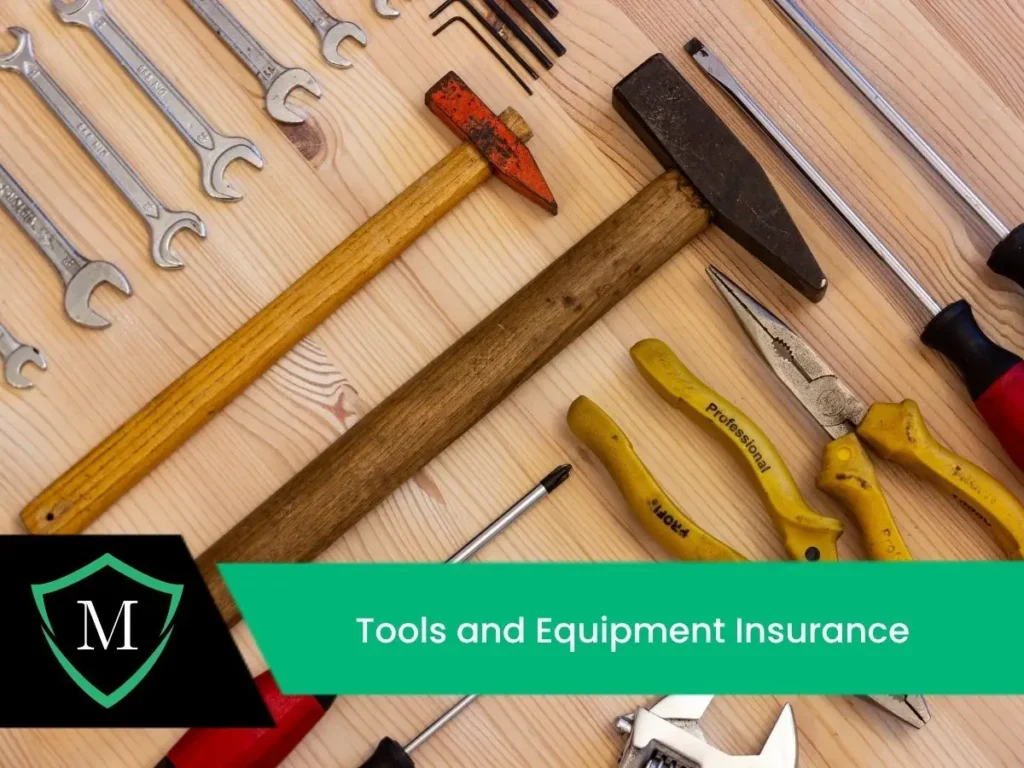
Contractors invest heavily in their tools. Drills, saws, compressors, generators, and specialty equipment can add up quickly. Tools and equipment insurance protects your gear from:
• Theft
• Job site damage
• Fire or vandalism
• Transportation loss
Imagine arriving at a job site and discovering your equipment trailer has been emptied overnight. Without coverage, replacing those tools could halt your business for weeks.
Builder’s Risk Insurance
When contractors work on new construction or major renovations, builders’ risk insurance helps protect the project itself. This coverage may include protection for:
• Materials stored on-site
• Structures under construction
• Fire or storm damage
• Theft of building materials
Weather, accidents, and theft can delay construction projects. Builder’s risk insurance helps contractors recover quickly and keep projects moving.
Additional Coverage Contractors Often Overlook
Beyond basic policies, contractors should also consider specialized coverage designed to protect against modern risks and industry-specific exposures.
Contractors’ Pollution Liability (CPL)
CPL insurance protects contractors from claims related to environmental damage caused during construction activities. For example, accidental chemical spills, contaminated soil removal, or improper disposal of construction materials can trigger environmental lawsuits. CPL coverage helps manage those risks.
Professional Liability Insurance
Professional liability protects contractors against claims that their design recommendations, project management decisions, or technical advice caused financial loss to a client. This type of coverage is particularly important for contractors involved in planning, consulting, or specialized installations.
Cyber Liability Insurance
Many contractors assume cyber risk only affects large corporations, but construction businesses now store digital blueprints, contracts, payment records, and customer data online. A cyberattack or data breach can expose contractors to legal liability and financial losses. Cyber liability insurance helps cover those modern risks.
Insurance Requirements for Construction Contractors
Insurance rules often vary by state, city, and project type. However, several types of coverage are commonly required before contractors can even begin work. Typical insurance requirements for construction contractors include:
• General liability insurance
• Workers’ compensation coverage
• Commercial auto insurance for company vehicles
• Surety bonds for certain projects
Government contracts and larger commercial jobs usually require proof of insurance before a contractor can bid on the project.
The U.S. Small Business Administration provides helpful guidance for small contractors managing risk and compliance.
Failing to meet insurance requirements doesn’t just create legal risk. It can also cost you valuable contracts. Many homeowners today also check contractors’ insurance before hiring anyone for renovations.
Why Insurance Builds Trust With Homeowners
Imagine two contractors competing for the same remodeling project. Contractor A offers a cheaper quote but cannot provide proof of insurance. Contractor B charges slightly more but shows clear contractor insurance coverage. Most homeowners choose Contractor B.
Insurance tells clients something important. It shows you take your work seriously. It proves you’re prepared if something goes wrong. Reliable contractors don’t gamble with safety.
That trust factor often leads to:
• Better project opportunities
• Higher-value clients
• Stronger referrals
• Long-term business stability
Insurance doesn’t just protect your company. It strengthens your reputation.
Smart Contractors Treat Insurance as a Business Strategy
Many contractors see insurance as an expense. Experienced business owners see it differently.
Insurance becomes a strategy when it helps you:
• Reduce long-term financial risk
• Win better contracts
• Protect employees
• Maintain business continuity
Contractors who plan often save money over time because proper coverage prevents catastrophic losses.
More importantly, contractors who carefully review their policies avoid the common mistake of choosing the lowest premium without understanding policy exclusions. A well-structured contractor insurance coverage plan focuses on protection first, not just price.
It’s similar to wearing a hard hat on a job site. You hope you never need it. But when something falls, you’ll be glad it’s there.
Why Choose McDonough Insurance Services
Choosing the right insurance partner matters just as much as choosing the right policy. McDonough Insurance Services has been helping businesses navigate complex insurance decisions since 1981. With more than four decades of experience, the firm understands the risks contractors face every day.
What makes their approach different is the focus on strategy before sales. Instead of pushing policies, they focus on reducing risk and lowering insurance costs wherever possible. That means evaluating how your business operates, identifying hidden savings, and building coverage that actually fits your work.
Clients value several things about working with McDonough Insurance Services:
• Over 40 years of insurance expertise
• Client-first approach rather than commission-driven advice
• Strategic risk management guidance
• Personalized service for contractors and businesses
• Proven ability to uncover cost-saving opportunities
Insurance shouldn’t feel confusing or overwhelming. With the right advisor, it becomes a practical tool that helps your business grow safely.
Conclusion
Construction will always carry risk. Tools break, weather changes, mistakes happen. That’s simply the nature of building things in the real world. But contractors who prepare for those risks rarely face disasters. They recover faster, maintain client trust, and keep projects moving forward.
The right contractor insurance coverage protects more than job sites. It protects livelihoods, employees, and years of hard work building a business. Insurance may never be the most exciting part of construction. Yet when problems appear, it quickly becomes the most valuable. Smart contractors know that protection today creates opportunity tomorrow.
Get Expert Help Protecting Your Contracting Business. If you’re unsure whether your current coverage truly protects your business, it may be time for a professional review. The experienced team at McDonough Insurance Services can help evaluate your risks, uncover hidden savings, and design a contractor insurance plan that keeps your business protected while controlling costs.
Schedule your free consultation today and gain confidence knowing your business is protected by professionals who put your interests first.
FAQs
What contractor liability insurance covers?
Contractor liability insurance typically covers property damage, third-party injuries, and legal expenses if someone claims your work caused harm. It may also cover medical costs and settlement payments related to job site accidents.
Is workers compensation required for contractors?
In most states, contractors must carry workers compensation insurance once they hire employees. This coverage helps pay medical expenses and lost wages if workers are injured while performing job duties.
Do independent contractors need insurance?
Yes. Even independent contractors often need general liability insurance. Many clients require proof of insurance before allowing contractors to begin work on residential or commercial projects.
What insurance do small construction businesses need?
Small construction businesses typically need general liability insurance, workers’ compensation, commercial auto coverage, and tools or equipment protection. Some projects may also require builder’s risk insurance.
How much contractor insurance coverage should I carry?
Coverage amounts depend on project size, number of employees, equipment value, and contract requirements. Many contractors start with $1 million in general liability coverage, but larger projects may require higher limits. Consulting an experienced insurance advisor helps determine the right protection level.