

In California HVAC jobs aren’t just about adjusting thermostats or swapping filters. Picture a busy service day: trucks pull into driveways, ladders lean against rooftops, and power tools hum. One slip, a miswired connection, or a dropped condenser unit, and a routine service call can quickly turn into a financial or legal headache.
That’s where HVAC contractor insurance California becomes more than paperwork. It protects your business, your staff, and the homeowners who rely on your expertise. Without proper coverage, even minor accidents can escalate into costly claims, reputational damage, or operational disruptions.
Another overlooked risk in HVAC projects is the absence of clear subcontractor agreements. When general contractors and subcontractors work together without written responsibilities, disputes can arise quickly. In many real-world cases, both parties end up involved in lawsuits related to installation errors, project delays, or property damage. Proper insurance coverage helps reduce the financial exposure when those disputes occur.
Why HVAC Contractor Insurance Matters
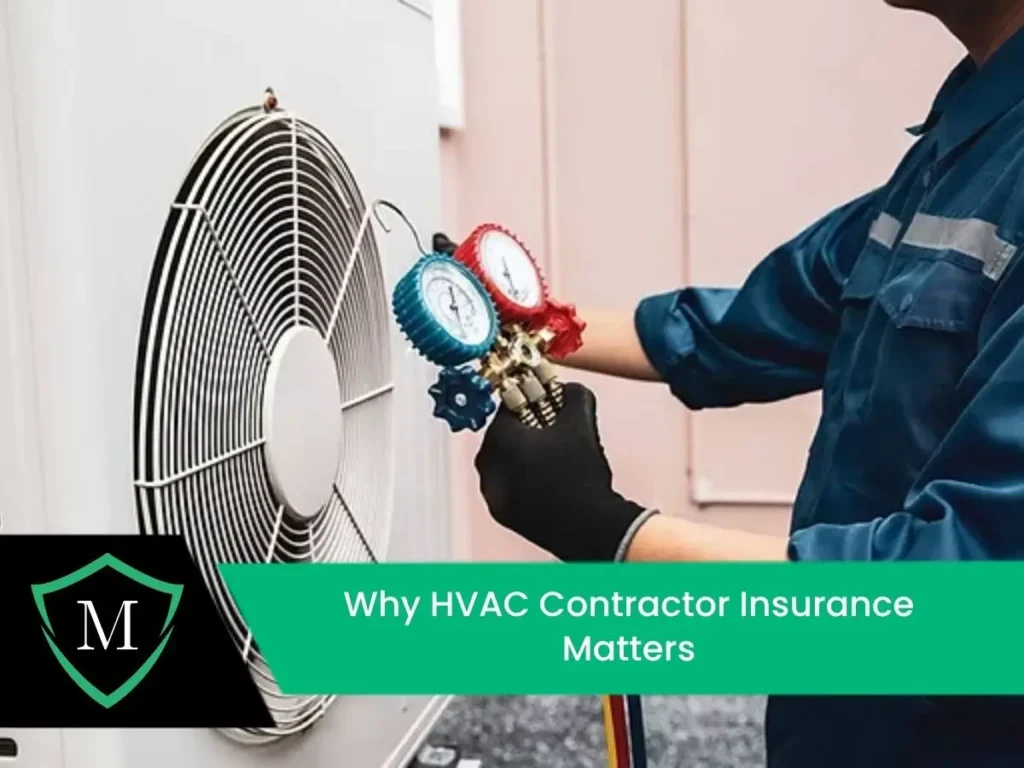
HVAC work is high-risk. According to the U.S. Bureau of Labor Statistics, the construction and service industries consistently rank among the highest in workplace injuries. Common incidents include:
- Ladder falls and rooftop slips
- Electrical shocks during installations or repairs
- HVAC unit drops or heavy equipment mishandling
- Property damage or leaks caused during service
Even a small accident can create huge costs: medical bills, legal defense, equipment replacement, lost contracts, and even fines.
Additionally, HVAC contractors often work alongside other contractors or subcontractors on large construction projects. If responsibilities are unclear or safety procedures fail, multiple contractors can become part of the same legal claim. Insurance plays a crucial role in protecting businesses from these complex liability situations.
Proper insurance signals professionalism, giving clients and employees confidence that you’re prepared for the unexpected.
What Coverage HVAC Contractors Need
Every HVAC contractor should carry coverage that protects both operations and employees. What coverage HVAC contractors need includes:
- General liability insurance – Protects against third-party injuries or property damage
- Professional liability insurance – Covers installation errors, miscalculations, or service mistakes
- Commercial property insurance – Safeguards tools, vehicles, and facilities from theft or damage
- Workers’ compensation – Covers employee injuries and medical expenses
- Commercial auto insurance – Protects service vans and trucks
- Tools and equipment insurance – Secures specialized HVAC tools
- Business interruption insurance – Keeps operations running during emergencies.
Contractors should also consider Contractors Pollution Liability (CPL). HVAC work often involves refrigerants and other substances that can create environmental hazards if accidentally released. CPL coverage helps protect contractors from pollution-related claims or cleanup costs.
Mini-case example: A service van breaks down, delaying multiple appointments. Business interruption insurance helps recover lost revenue without sinking your operation.
Types of HVAC Liability Insurance
Insurance is like a toolbox; each type handles a different risk. Types of HVAC liability insurance include:
- General liability – Covers property damage, slip-and-fall incidents, and accidents on-site
- Professional liability (errors & omissions) – Protects against installation or repair mistakes
- Employment practices liability insurance (EPLI) – Covers employee disputes like harassment or wrongful termination
- Cyber liability insurance – Secures sensitive customer data, especially if billing and scheduling are digital.
- Environmental liability – Covers accidental refrigerant spills or pollution incidents.
Many contractors underestimate cyber risks, assuming cyberattacks only target large companies. In reality, HVAC contractors store invoices, project plans, payment data, and customer records digitally. A data breach or ransomware attack could expose the business to legal and financial liability. Cyber liability insurance helps cover these modern risks.
Combining these coverages creates a strong shield around your business while maintaining compliance and client trust.
How Workers Comp Protects HVAC Staff
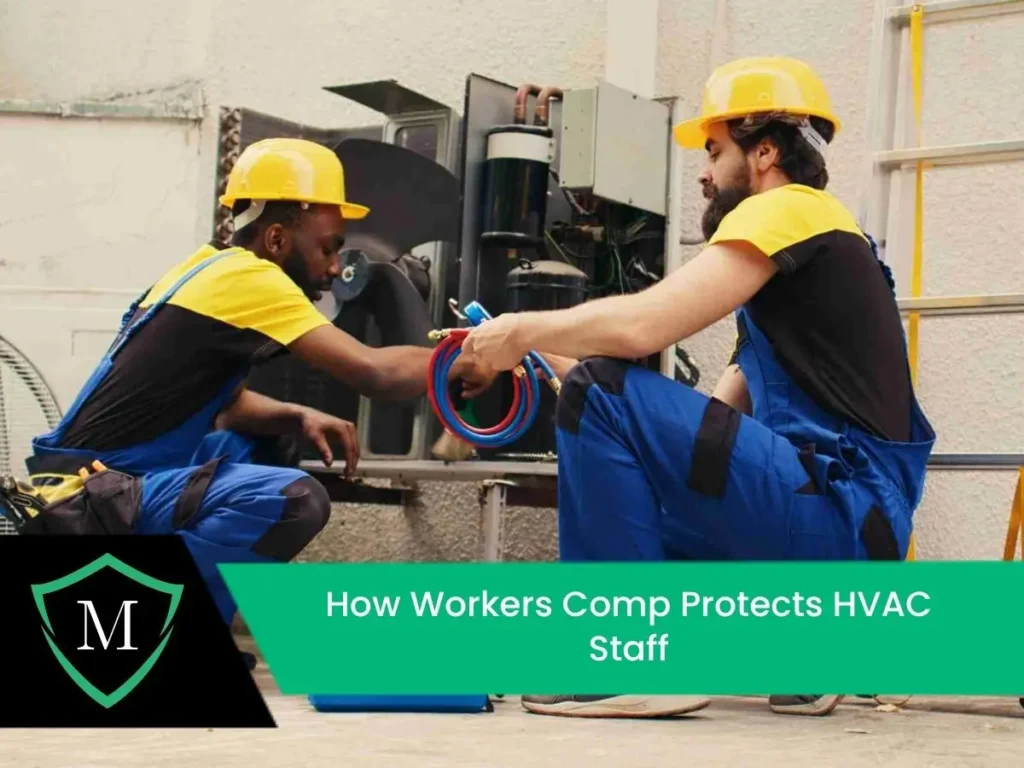
Your team is your most valuable asset. How workers comp protects HVAC staff:
- Pays for medical treatment and rehabilitation
- Covers partial wages during recovery
- Shields the business from lawsuits related to employee injuries
- Helps maintain staff morale and retention
California law requires workers’ compensation for employees.
This coverage also becomes extremely important when multiple contractors or subcontractors are working on the same job site. If an injury occurs and agreements are unclear, legal disputes may involve several parties. Workers’ compensation helps reduce that legal exposure.
Even independent contractors benefit from coverage, particularly for rooftop work or electrical installations.
Guide to Contractor Insurance Requirements
Insurance rules vary by city, state, and project type. insurance often must carry:
- General liability insurance
- Workers’ compensation coverage
- Commercial auto insurance
- Surety bonds for commercial projects
Government and commercial clients may refuse bids without proof of insurance. Resources like the U.S. Small Business Administration HVAC Insurance Guidance explain the basics for small and mid-sized contractors.
City-specific examples:
- Los Angeles: Workers’ comp mandatory, general liability minimum $1M
- San Francisco: Proof of insurance required for commercial HVAC permits
- Sacramento: Surety bonds may be required for larger municipal contracts
Contractors should also carefully review policy exclusions. Choosing the lowest-cost insurance policy may seem attractive initially, but cheaper policies often contain the most exclusions and the least amount of protection. In many cases, contractors only discover these limitations after a claim occurs.
Top 10 Options For HVAC Contractor Insurance in California
Here’s a practical list of insurance options every HVAC contractor should consider:
- General Liability Insurance – Covers property damage or injuries on job sites.
- Workers’ Compensation Insurance – Protects staff and fulfills California legal requirements.
- Commercial Auto Insurance – Protects vans and trucks used in daily operations.
- Professional Liability Insurance – Covers errors or omissions in service.
- Tools and Equipment Insurance – Secures high-value HVAC tools and specialized equipment.
- Commercial Property Insurance – Safeguards offices, warehouses, and storage units.
- Business Interruption Insurance – Helps recover revenue if operations halt due to accidents or disasters.
- Employment Practices Liability Insurance – Protects against HR-related claims from employees.
- Cyber Liability Insurance – Secures client and operational data.
- Surety Bonds – Often required for government or large commercial projects.
Each policy addresses specific risks, but together they provide full protection for your business.
Specialized Coverage Options for HVAC Contractors
- Environmental Liability Insurance – Accidental refrigerant spills or mold-related claims
- Equipment Breakdown Insurance – Covers unexpected system or machinery failure.
- Umbrella Insurance – Adds extra liability coverage beyond standard policies.
Contractors’ Pollution Liability (CPL) can also be included in specialized policies to address environmental risks linked to refrigerants, HVAC chemicals, and disposal procedures.
These coverages give contractors extra layers of protection for rare but costly incidents.
Risk Management Tips for HVAC Contractors

Insurance is critical, but prevention reduces claims and lowers premiums. Key steps:
- Conduct regular safety audits and equipment inspections
- Implement employee training on ladder safety, electrical hazards, and safe lifting
- Keep detailed records of jobs, incidents, and maintenance
- Develop emergency preparedness plans.
- Use technology for scheduling, monitoring, and digital documentation
A proactive approach can reduce accidents, protect employees, and save money on insurance.
How Proper Insurance Builds Client Trust
Imagine two HVAC contractors bidding on the same commercial project. Contractor A quotes slightly lower but cannot provide proof of insurance. Contractor B charges a bit more but has full coverage and a clear safety plan. Most clients choose Contractor B.
Insurance builds confidence by showing clients that you take your work seriously. Benefits include:
- Higher-value projects
- Repeat clients and referrals
- Stronger reputation in the industry
- Long-term business stability
Why Choose McDonough Insurance Services
Selecting the right insurance partner is as important as choosing the right coverage. McDonough Insurance Services has over 40 years of experience helping HVAC contractors in California navigate complex insurance decisions.
- Client-first approach – Prioritizes protection over commission.
- Strategic guidance – Tailors coverage to your specific HVAC operations
- Comprehensive support – 24/7 help with claims, questions, and planning
- Proven cost savings – Identifies hidden discounts without sacrificing coverage
- Trusted reputation – Decades of satisfied contractor clients
Partnering with McDonough Insurance Services turns insurance from a legal necessity into a strategic business advantage.
Conclusion
HVAC work in California is challenging and risky, but proper insurance and proactive risk management transform uncertainty into confidence. Insurance protects your business, staff, and clients while signaling professionalism and reliability.
Don’t wait for accidents to happen. Contact McDonough Insurance Services today to schedule a free consultation and get tailored insurance solutions that safeguard your business, employees, and clients.
FAQs
What coverage do HVAC contractors need?
General liability, workers’ comp, commercial auto, professional liability, and equipment insurance protect your business, employees, and clients.
What are the Types of HVAC liability insurance?
Includes general liability, professional liability, EPLI, cyber liability, and environmental liability for specialized risks.
How workers comp protects HVAC staff
It pays for medical care, lost wages, rehabilitation, and shields your business from employee lawsuits.
What Are the HVAC Contractor Insurance California Requirements?
HVAC contractors must carry insurance coverage, such as general liability, workers’ compensation, commercial auto, and surety bonds for certain projects. Government and commercial clients often require proof of insurance before work can begin.
Do independent HVAC contractors need insurance?
Yes. Many clients require proof of coverage before allowing work on residential or commercial projects.