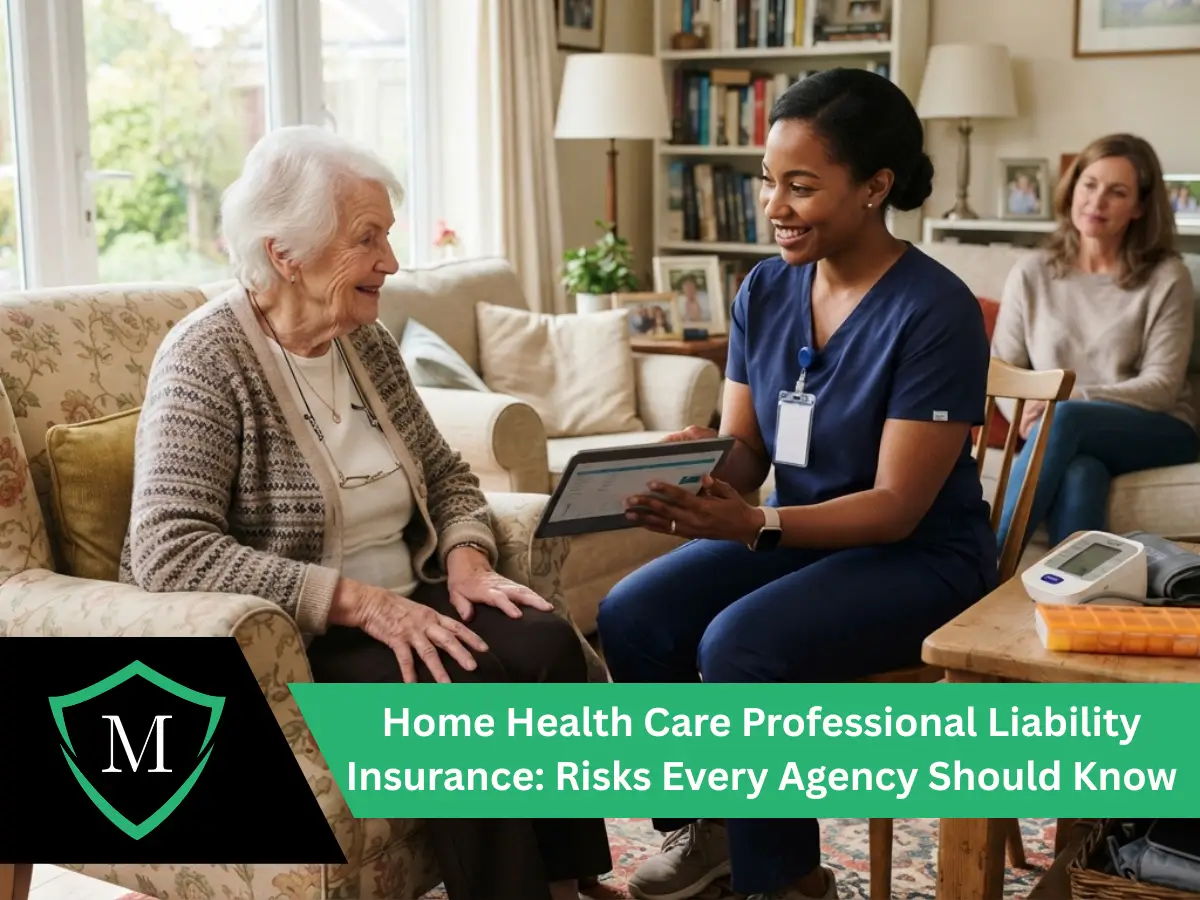

When families start looking into support for aging parents or loved ones, one of the first terms they encounter is non medical in home care. In simple terms, it refers to everyday assistance that helps older adults remain safe, comfortable, and independent at home without medical treatment or nursing services.
Unlike clinical care provided by nurses or therapists, this type of support focuses on daily living. It can include help with meals, bathing, mobility, companionship, transportation, and household routines. For many families, it becomes an important step that allows aging adults to stay in familiar surroundings longer while maintaining dignity and routine.
As more seniors choose to age in place, understanding how this type of care works has become increasingly important. Many families assume all home-based care is medical, but the reality is much broader and more flexible.
Understanding What Non Medical Home Care Really Means
Non-medical assistance does not involve diagnosing conditions, administering injections, or performing skilled nursing tasks. Instead, caregivers provide practical day-to-day support that improves quality of life.
A caregiver may help someone get dressed in the morning, prepare lunch, organize medications for reminders, accompany them on walks, or simply provide conversation and emotional support throughout the day. These tasks may seem simple, but they can significantly reduce isolation, stress, and fall risks for older adults.
This model is especially valuable for seniors who are mostly independent but need extra help with physical tasks, memory-related routines, or transportation. It can also provide relief for family caregivers who are balancing work, parenting, and caregiving responsibilities at the same time.
According to the National Institute on Aging, aging in place can improve emotional well-being and help older adults maintain a stronger sense of independence when the proper support systems are in place.
Why More Families Are Choosing Care at Home
Over the last decade, many families have shifted away from institutional care settings when possible. Familiar surroundings often help seniors feel calmer, more confident, and emotionally connected to their routines.
Home environments also allow for individualized support. Instead of following a facility schedule, care can be adjusted around the senior’s preferences, habits, and comfort level. Some people only need assistance a few hours a week, while others benefit from more consistent daily support.
This flexibility is one reason why in-home care for seniors continues to grow across the United States. Families often prefer gradual support instead of making immediate transitions into assisted living communities.
Another important factor is social connection. Loneliness and isolation can affect physical and mental health in aging adults. Consistent companionship can improve emotional wellness while helping seniors stay engaged with hobbies, conversations, and everyday activities.
The Centers for Disease Control and Prevention notes that social isolation among older adults is associated with higher health risks, including depression and cognitive decline.
What Services Are Usually Included?
Personal care assistance often includes help with bathing, grooming, dressing, toileting, and mobility around the home. These tasks can become difficult due to arthritis, balance issues, fatigue, or recovery from illness.
Household support may include light housekeeping, laundry, meal preparation, grocery shopping, or organizing living spaces to reduce hazards. Caregivers may also assist with transportation to appointments, errands, or social activities.
Companionship is another major component. Senior companion care services are designed to reduce loneliness and encourage emotional connection. This can involve conversation, games, walks, reading together, or simply providing a reassuring presence during the day.
Medication reminders are also common, although caregivers generally do not administer medications unless specially licensed under state regulations.
Many families are surprised by how broad elderly home care assistance can be while still remaining non-medical in nature.
The Difference Between Medical and Non-Medical Care

One of the biggest misconceptions is assuming all home care providers offer healthcare services. Understanding the distinction helps families make better decisions.
Medical home care typically involves licensed healthcare professionals such as nurses, physical therapists, or occupational therapists. These services are often prescribed by physicians after surgery, hospitalization, or illness recovery.
Non-medical care focuses on assistance with activities of daily living and emotional support rather than treatment. A caregiver may help someone safely get into the shower, but they would not perform wound care or medical assessments.
This difference matters because eligibility, insurance coverage, licensing requirements, and costs can vary significantly.
Families researching home care for aging adults should also understand that needs may change over time. Some seniors begin with companionship and household assistance, then later require additional medical oversight as health conditions progress.
Who Benefits Most From This Type of Support?
Not every older adult needs intensive care. In many situations, a small amount of support can prevent larger problems from developing later.
Seniors who benefit most often include individuals experiencing reduced mobility, mild memory challenges, chronic fatigue, balance concerns, or difficulty managing household routines independently.
Older adults living alone are also common candidates. Even when someone remains relatively healthy, isolation can affect nutrition, emotional health, and safety awareness.
Family caregivers may benefit as well. Caring for an aging loved one can become physically and emotionally demanding over time. Outside support helps families avoid burnout while ensuring seniors receive consistent attention.
Understanding the non medical caregiver meaning is important here. These caregivers are not replacing family relationships. Instead, they often work alongside relatives to provide dependable daily assistance and continuity of care.
How Companion Care Supports Emotional Health
Physical assistance is only one part of healthy aging. Emotional well-being plays a major role in overall quality of life.
Companion care for seniors focuses heavily on social engagement and emotional connection. Caregivers often become trusted daily companions who provide conversation, encouragement, and routine interaction.
For seniors who no longer drive or have limited mobility, even simple social activities can become difficult without assistance. A caregiver may accompany them on walks, help them attend community events, or assist with hobbies that keep them mentally active.
Research from the National Institutes of Health has shown that regular social engagement may help support cognitive and emotional health in older adults.
Families sometimes underestimate how much companionship can affect overall wellness. A familiar, supportive presence often reduces anxiety while helping seniors feel more confident in their daily routines.
Common Misunderstandings Families Have
One of the most common misunderstandings is believing this type of support removes independence. In reality, many seniors maintain independence longer because they receive help before problems become severe.
Another misconception is that care is only necessary during serious illness. Many older adults use support proactively to remain organized, safe, and socially connected.
Some families also assume caregivers only assist with physical tasks. Emotional reassurance, companionship, and routine structure are often just as valuable.
Understanding the non skilled home care definition can help clarify expectations. “Non-skilled” does not mean unimportant or untrained. It simply means the care does not involve medical procedures requiring clinical licensing.
Questions Families Should Ask Before Choosing Support
Before arranging care, families should evaluate both current and future needs. Every situation is different, and the right level of assistance depends on mobility, cognitive function, living arrangements, and personal preferences.
It is important to ask how schedules are handled, whether care plans can change over time, and what type of caregiver training is provided. Families should also understand how communication works between caregivers and relatives.
Safety policies, background checks, supervision standards, and emergency procedures are also critical considerations.
Many families reviewing care options also explore insurance-related concerns, particularly around liability exposure for caregivers, transportation, or in-home assistance. This is one reason organizations like McDonough Insurance Services often emphasize the importance of understanding how care environments and caregiving responsibilities intersect with broader risk management planning.
How Costs Typically Work
Costs vary widely depending on location, frequency of care, and the level of support needed. Hourly care is common, although some families arrange recurring weekly schedules or longer daily shifts.
Non-medical support is usually paid privately, though some long-term care insurance policies or state assistance programs may help cover certain services.
Families should also remember that early support can sometimes reduce future expenses by helping prevent falls, hospitalizations, or caregiver burnout.
When evaluating costs, it is helpful to consider the broader value beyond physical assistance alone. Reliable support can improve consistency, nutrition, social interaction, safety awareness, and overall peace of mind for both seniors and their families.
Supporting Independence Without Sacrificing Safety
Many older adults strongly prefer remaining in their own homes. Familiar surroundings provide emotional comfort and continuity that can be difficult to replicate elsewhere.
The challenge for families is balancing independence with safety. Personal care assistance at home helps bridge that gap by providing support without fully removing autonomy.
Rather than taking over daily life, caregivers often help seniors continue participating in routines they value. This approach encourages confidence while reducing avoidable risks tied to falls, missed meals, medication confusion, or isolation.
In many cases, even limited weekly support can make a meaningful difference in helping seniors remain safely at home longer.
Final Thoughts
Understanding non medical in-home care helps families make informed decisions before a crisis occurs. The goal is not simply assistance with tasks. It is preserving dignity, routine, comfort, and emotional well-being while helping aging adults remain connected to the life they know.
As more families explore long-term planning for aging relatives, conversations about caregiving, safety, liability, and home support are becoming increasingly important. McDonough Insurance Services recognizes how closely these issues connect to protecting both caregivers and families navigating the realities of aging at home.
The right support at the right time can improve quality of life not only for seniors, but for everyone involved in their care.
FAQs
What is considered non medical in home care?
Non-medical in-home care includes assistance with daily activities such as bathing, dressing, meal preparation, companionship, transportation, and household tasks. It does not include medical treatments or skilled nursing services.
What is the difference between home health care and non-medical care?
Home health care involves licensed medical professionals providing clinical treatment or therapy. Non-medical care focuses on daily living support and companionship rather than medical procedures.
Who usually needs non-medical care at home?
Older adults with mobility challenges, mild memory concerns, balance issues, or difficulty managing daily routines often benefit from this type of support. It is also helpful for seniors living alone.
Can caregivers help with medications?
Non-medical caregivers may provide medication reminders, but they generally do not administer medications unless allowed under state regulations and specific training requirements.
Does insurance cover non-medical home care?
Coverage depends on the policy and state programs involved. Some long-term care insurance plans may help cover services, while many families pay privately.
What does companion care include?
Companion care usually includes conversation, social interaction, help with hobbies, transportation to activities, meal companionship, and emotional support for seniors experiencing isolation.