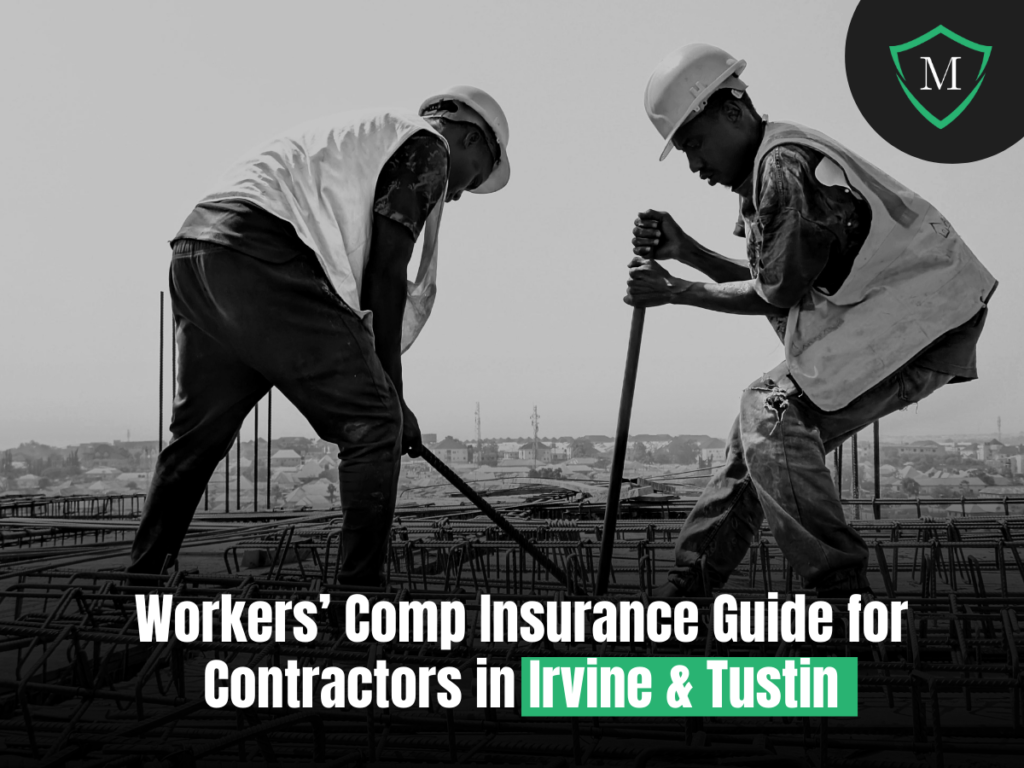
Construction work rarely happens in quiet, predictable spaces. It unfolds on rooftops under the California sun, inside unfinished buildings buzzing with tools, and across job sites where one misstep can change a life. For contractors in Irvine and Tustin, workers comp insurance is less a formality and more a lifeline.
Under California law specifically California Labor Code Sections 3700–3701 employers with employees are generally required to maintain workers’ compensation coverage to protect against workplace injuries and occupational illnesses.
Orange County’s construction scene is thriving. New developments rise quickly, remodels never slow down, and inspectors are never far away. In this environment, a workplace injury policy is not just about compliance. It is about protecting people, projects, and the business you have worked years to build.
For business owners who want to do things right, protect their crews, and avoid the kind of surprises that keep you up at night.
What Workers Comp Insurance Really Means on a Job Site
At its core, workers comp insurance exists for one reason: when an employee gets hurt doing their job, they should not have to choose between recovery and a paycheck.
In California, this coverage is designed to support employee medical claims related to work injuries or illnesses. That can include treatment costs, temporary wage replacement, and recovery support. For contractors, it also acts as a buffer that helps prevent a single accident from turning into a business-ending lawsuit.
Think of it like scaffolding around a building under construction. You hope no one ever falls, but if they do, the structure is there to catch them.
California Requirements Contractors Can’t Ignore
California takes workers’ compensation seriously. If you have employees, even one, the state generally expects you to carry coverage. Contractors face even more scrutiny because construction is considered a high-risk industry.
In Irvine and Tustin, job sites are frequently inspected. Certificates are requested. Missteps are noticed. Operating without proper coverage can lead to penalties, stop-work orders, or worse, personal financial exposure.
This is where many contractors get caught off guard. A casual hire. A helper paid for the week. A subcontractor who looks independent on paper but functions like an employee in reality. These gray areas are exactly where problems begin.
Contractor Injury Coverage and Real-World Risks
Contractors understand risk intuitively. You see it every day. A ladder placed on uneven ground. A saw blade that catches unexpectedly. A repetitive motion that slowly damages a shoulder over time.
Contractor injury coverage is built to respond to these realities. Falls remain one of the most common job site incidents. Strains, electrical injuries, cuts, and equipment-related accidents follow closely behind.
What makes these injuries particularly disruptive is not just the physical harm. It is the downtime. The stalled project. The ripple effect across schedules and clients. Proper coverage helps ensure that when something goes wrong, the response is structured instead of chaotic.
Employee Medical Claims and the Cost of Delays
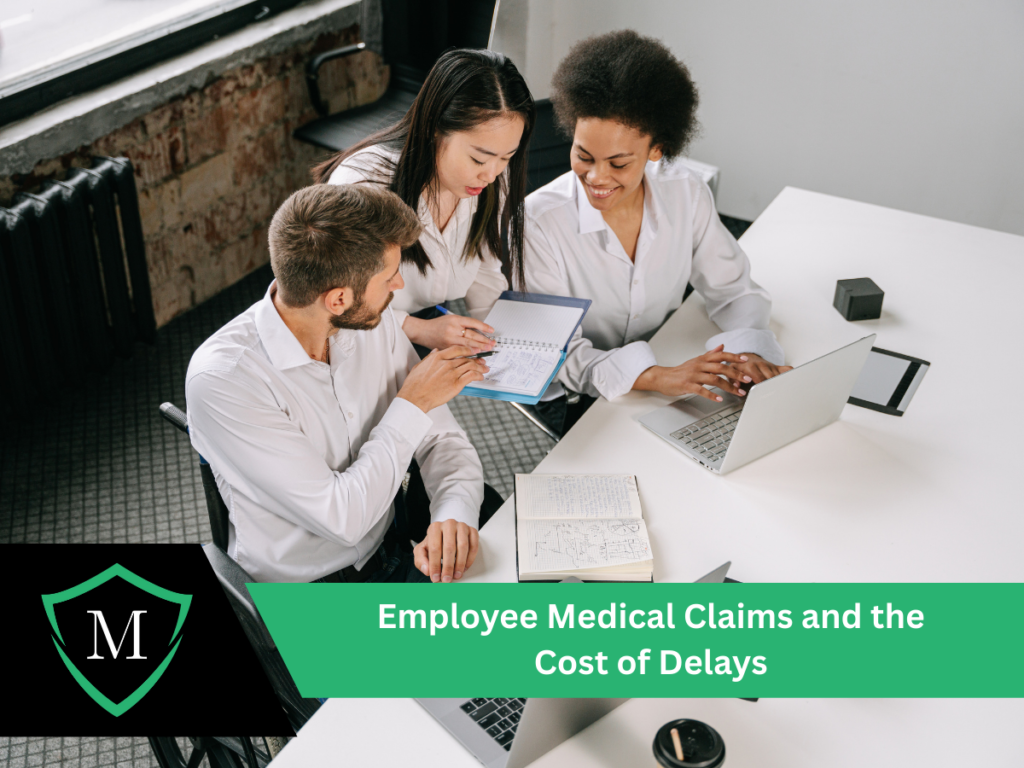
Medical care is expensive in California. Delays in treatment often make injuries worse, not better. Workers’ comp insurance helps employees access care promptly, which supports recovery and reduces long-term complications.
From a business perspective, unresolved employee medical claims tend to escalate. What starts as a simple injury can become a prolonged absence or a disputed claim if not handled correctly.
Studies in occupational health consistently show that early treatment and clear claims management reduce overall costs and improve outcomes. In plain terms, taking care of people quickly usually costs less than waiting and hoping the problem goes away.
Workplace Injury Policy and Business Stability
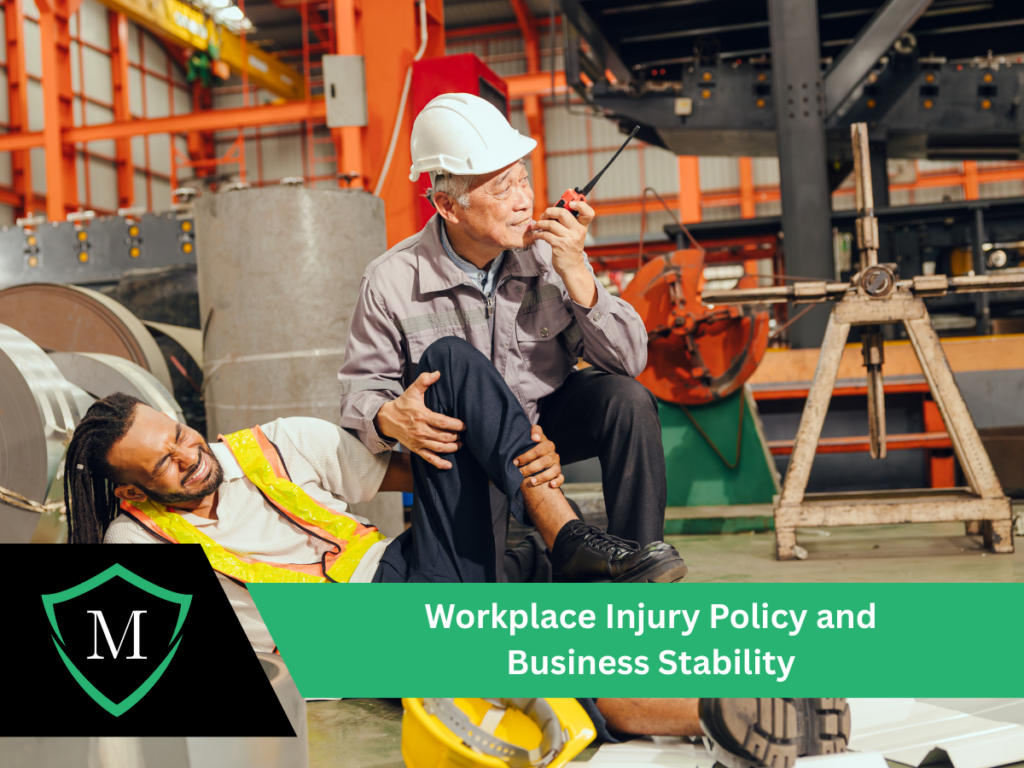
A workplace injury policy is not just about the injured worker. It is also about protecting the employer from legal exposure.
When coverage is in place, most employee injury claims are handled within the workers’ compensation system. Without it, disputes can spill into civil court, where legal costs and settlements can dwarf the original injury expenses.
For contractors juggling multiple projects, crews, and deadlines, stability matters. Insurance does not remove risk, but it helps contain it. It keeps one bad day from unraveling years of effort.
Payroll-Based Insurance and Why Accuracy Matters
Workers’ comp insurance in California is typically structured as payroll-based insurance. Premiums are influenced by how much you pay employees and the type of work they perform.
This is where many contractors unknowingly create problems. Misclassifying workers. Underreporting payroll. Estimating instead of tracking. These shortcuts often come back during audits.
Audits are not accusations. They are part of the system. But inaccuracies can result in unexpected bills or disputes that strain cash flow. Accurate payroll reporting and proper job classification are quiet disciplines that pay off over time.
Job Site Insurance and the Bigger Protection Picture
Workers comp insurance is one piece of job site insurance, not the whole puzzle. Construction projects involve layers of risk, from property damage to third-party injuries.
While workers’ comp focuses on employee injuries, it works alongside other coverages to form a safety net around your operations. When one policy is missing or misunderstood, the entire structure becomes fragile.
Contractors who view insurance as a system rather than a single policy tend to navigate growth more smoothly. Fewer surprises. Fewer fire drills. More control.
Why Workers Comp Is Especially Important in Irvine and Tustin
Irvine and Tustin are not just any cities. They are high-value, highly regulated markets with active commercial and residential development. Expectations are higher. Enforcement is tighter. The margin for error is smaller.
Projects often involve multiple stakeholders, from property owners to general contractors to municipal inspectors. When something goes wrong, everyone looks for documentation. Insurance coverage is usually the first thing requested.
Having workers’ comp insurance properly structured signals professionalism. It tells clients, partners, and regulators that you take responsibility seriously.
Why Choose McDonough Insurance Services

McDonough Insurance Services operates with a different mindset than traditional brokers. The focus is not on pushing policies. It is on understanding how risk actually shows up in a contractor’s daily operations.
With decades of experience working with California businesses, the team understands how workers comp insurance intersects with payroll, compliance, and long-term cost control. The approach is practical, not theoretical. Strategic, not sales-driven.
Being big enough to deliver professional depth and small enough to provide personal attention allows McDonough Insurance Services to act more like an advisor than a vendor. That difference becomes clear when challenges arise.
Conclusion
Workers comp insurance is often invisible when everything is going right. It fades into the background of daily operations. But when an injury happens, it suddenly becomes the most important document on the job site.
For contractors in Irvine and Tustin, understanding this coverage is not about memorizing rules. It is about recognizing how quickly risk can surface and how preparation changes outcomes.
Construction will always involve uncertainty. The goal is not to eliminate it. The goal is to manage it with clarity and confidence.
If you want to understand how workers comp insurance applies to your contracting business in Irvine or Tustin, speak with a licensed California insurance professional at McDonough Insurance Services for guidance tailored to your operations.
Frequently Asked Questions
Do contractors in California need coverage if they have one employee?
In most cases, yes. California generally requires businesses with employees to carry workers’ compensation coverage. Construction businesses face strict enforcement due to higher injury risks.
What types of injuries are typically covered under this policy?
Coverage commonly includes job-related injuries such as falls, strains, equipment accidents, and work-related illnesses. Specific benefits depend on the policy terms and the nature of the injury.
How does payroll affect coverage costs?
This coverage is usually payroll-based. Costs are influenced by total payroll, job classifications, and claims history. Accurate reporting helps avoid unexpected adjustments during audits.
Are subcontractors covered under a contractor’s policy?
This depends on proper classification and documentation. Misclassification is a common issue. Contractors should ensure subcontractors carry their own coverage and provide valid certificates.
Can this coverage help protect my business legally?
Yes. A properly structured workplace injury policy generally limits employee injury claims to the workers’ compensation system, helping reduce the risk of costly lawsuits.