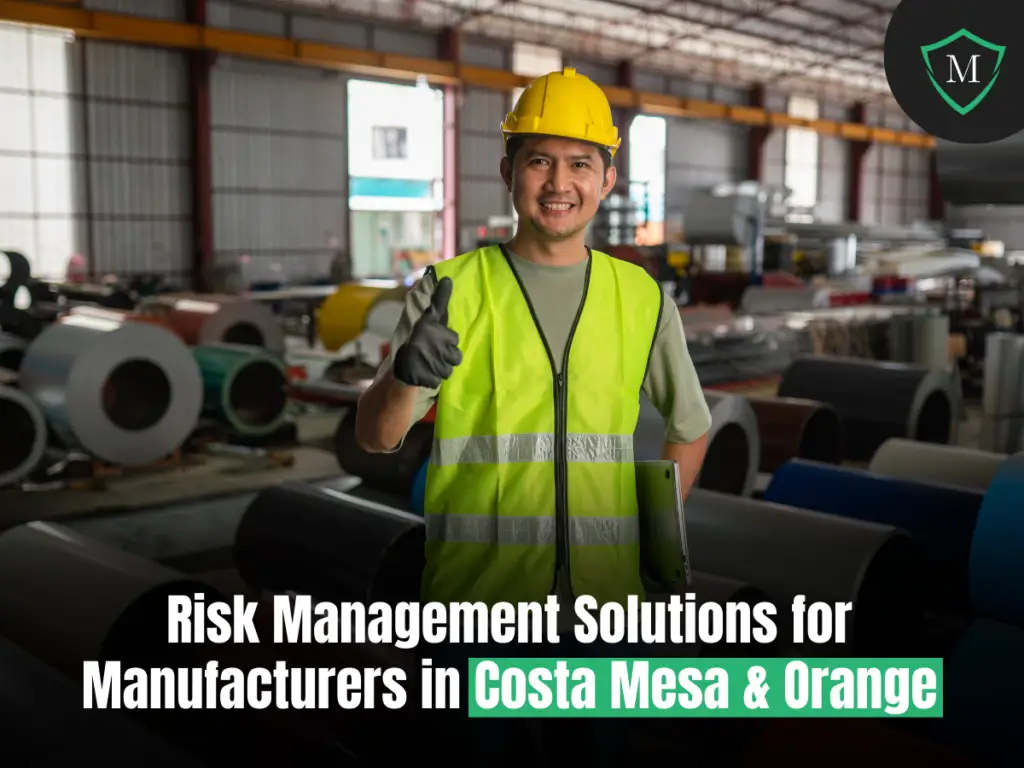
Manufacturing is both an art and a science, a complex dance of machinery, materials, and manpower. But with every production line comes a host of potential disruptions. From equipment malfunctions to workplace accidents, the stakes are high, and mistakes can be expensive. For manufacturers in Costa Mesa and Orange, implementing strong risk management solutions is not just a safety net; it’s a strategic advantage. Protecting your employees, assets, and operations ensures continuity, reduces stress, and fosters growth.
Understanding Operational Risk in Manufacturing
Operational risk is the silent disruptor in every factory. It includes anything that can interrupt production: equipment failures, workflow inefficiencies, human error, or supply chain disruptions. While some risks are obvious, many are hidden until they erupt. Even minor incidents can snowball into significant financial setbacks if left unaddressed.
Some common risks include:
- Equipment Failure: Unexpected machine breakdowns can halt production, delay client deliveries, and disrupt revenue streams.
- Employee Errors: Even highly trained staff can make mistakes; a miscalculated step or mishandling of chemicals can lead to injuries or damage.
- Supply Chain Disruptions: Delays from suppliers or material shortages can interfere with production schedules, affecting customer satisfaction and contracts.
By understanding these risks, manufacturers can proactively develop strategies to prevent disruptions. Integrating factory safety plans and monitoring workflow efficiency ensures that potential risks are minimized before they impact operations.
Factory Safety Plans: Protecting Employees and Operations
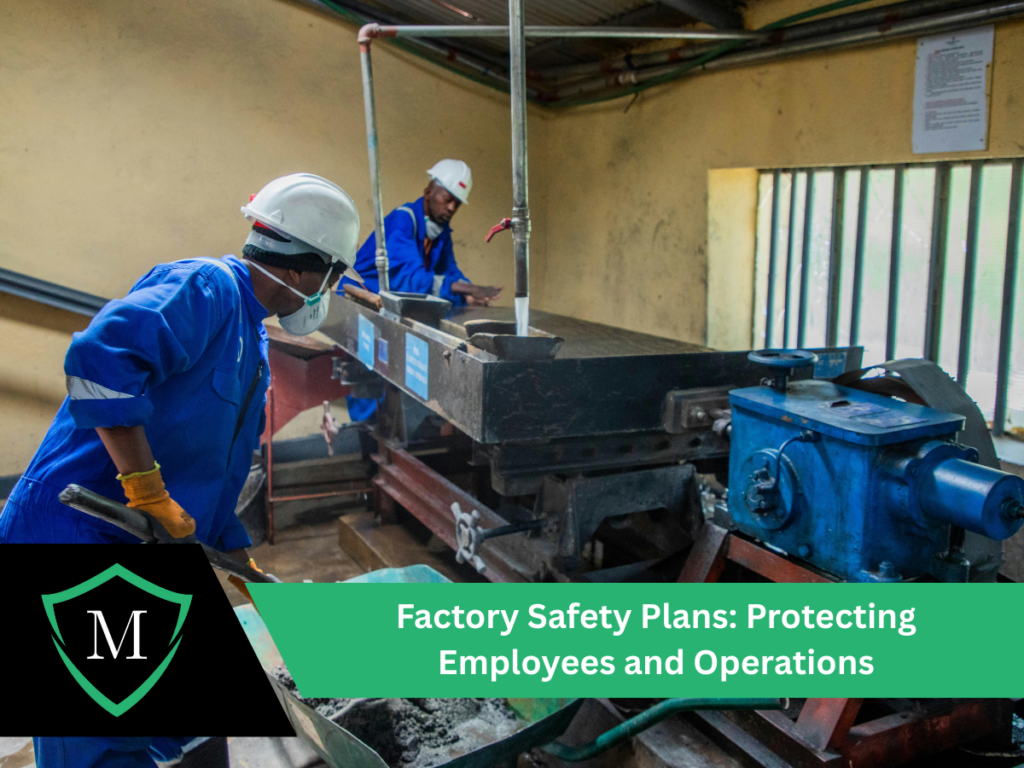
Safety in manufacturing is about more than compliance; it’s about culture. Factory safety plans provide structure, clarity, and security for both staff and assets. A strong plan should cover:
- Regular safety audits of equipment and machinery
- Emergency response and evacuation procedures
- Employee training programs tailored to specific roles
- Protective gear protocols and ongoing maintenance checks
According to the California Department of Industrial Relations, workplaces with comprehensive safety programs report up to a 40% reduction in incidents. Beyond compliance, these plans foster confidence and a culture where employees take pride in their environment, reducing accidents and associated insurance claims.
Production Insurance: The Manufacturer’s Safety Net
Even the most meticulous safety plans cannot prevent every incident. That’s where production insurance becomes crucial. This coverage protects your assets, operations, and workforce against unexpected events such as:
- Machinery breakdowns
- Fire, flood, or theft
- Property damage
- Product liability
For manufacturers in Costa Mesa and Orange, a tailored policy ensures minimal disruption to operations. Whether it’s a mechanical failure or unforeseen damage, production insurance provides peace of mind, helping you focus on efficiency and growth rather than emergencies.
Liability Prevention: Reducing Risk Before It Escalates
Liability claims can arise from employee injuries, product defects, or client interactions. Implementing liability prevention measures is essential to shield your business from costly lawsuits. Key strategies include:
- Employee safety and compliance training
- Regular quality control inspections
- Documenting operational processes
- Maintaining strict equipment maintenance schedules
By pairing preventive measures with comprehensive insurance, manufacturers can protect both their workforce and their reputation.
Business Continuity: Planning for the Unexpected
Business continuity planning goes beyond having a plan for disasters: it’s about ensuring resilience. Manufacturers who anticipate disruptions recover faster, maintain customer trust, and keep revenue streams steady. Elements of a robust continuity plan include:
- Backup production sites or alternative suppliers
- Disaster recovery and emergency response protocols
- Inventory management for critical materials
- Communication strategies for staff, clients, and stakeholders
Integrating risk management solutions with continuity planning ensures manufacturers can weather natural disasters, accidents, or supply chain interruptions without catastrophic consequences.
Risk Assessment Tools for Manufacturers
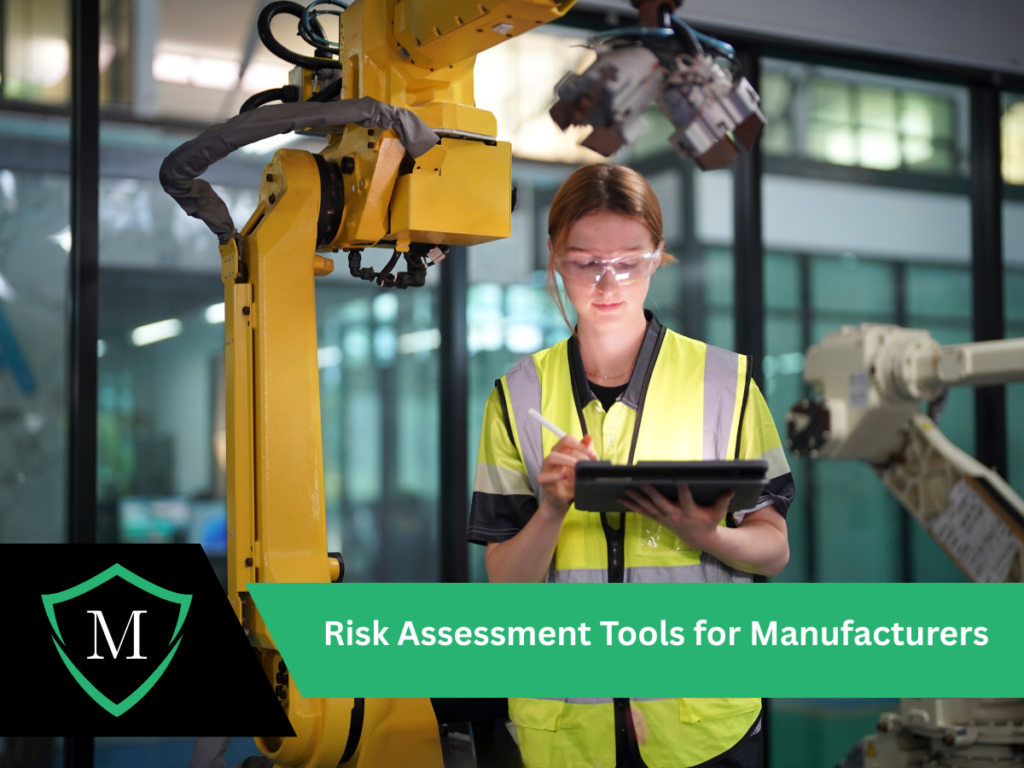
Effective risk management solutions start with identification and assessment. Modern manufacturers use tools like:
- Operational audits: Identify vulnerabilities in production processes
- Safety scoring systems: Rate potential hazards and prioritize mitigation
- Employee feedback programs: Encourage reporting of unsafe conditions
- Data analysis software: Predictive modeling to anticipate equipment failure or downtime
These tools allow manufacturers to stay ahead of risks and act before they escalate.
Regulatory Compliance in California
Manufacturers in California must adhere to state-specific regulations, including workplace safety, environmental compliance, and reporting requirements. Following the guidelines of the California Department of Industrial Relations ensures that businesses are not only legally compliant but also better protected from business risks. Compliance is not a burden; it’s an opportunity to implement systems that reduce liability and enhance efficiency.
Key Areas of Compliance:
- Workplace Safety: Implementing OSHA-compliant safety programs, employee training, and incident reporting.
- Environmental Compliance: Managing waste disposal, emissions, and chemical handling according to California Environmental Protection Agency (CalEPA) regulations.
- Reporting Requirements: Maintaining accurate records for labor laws, safety audits, and environmental impact reports.
- Risk Mitigation: Using compliance as a tool to identify hazards, prevent accidents, and avoid costly fines or litigation.
- Continuous Improvement: Regularly reviewing policies and procedures to stay ahead of regulatory changes and improve operational efficiency.
By following these compliance measures, manufacturers not only protect themselves from legal and financial penalties but also create a safer and more efficient workplace. Investing in regulatory compliance strengthens your operations, builds trust with clients, and positions your business for long-term growth.
Why Choose McDonough Insurance Services?

Choosing the right insurance partner is as important as implementing the safety measures themselves. McDonough Insurance Services has decades of experience helping California manufacturers reduce risk, lower liability, and ensure continuity. Our approach is personalized, strategic, and proactive:
- Tailored business and operational coverage for manufacturing operations.
- Expert guidance on workers’ compensation, property protection, and liability coverage
- Risk assessment and management strategies customized for each facility
- Local knowledge of Costa Mesa, Orange, and surrounding California cities
Partnering with McDonough means not just having insurance but having a trusted advisor committed to your long-term success.
Conclusion
Manufacturers in Costa Mesa and Orange face a complex landscape of business risks, liability exposures, and unexpected disruptions. Implementing structured risk management solutions, maintaining workplace safety protocols, and investing in operational coverage are essential steps to safeguard your workforce, protect your assets, and ensure business continuity. With McDonough Insurance Services, your manufacturing operations are shielded from unforeseen setbacks, allowing you to focus on growth, innovation, and excellence.
Contact McDonough Insurance Services today to craft a risk management solution that protects your business and workforce while maximizing efficiency and peace of mind.
FAQs
What is production risk in manufacturing?
Production risk includes equipment failures, workflow inefficiencies, and human errors that could disrupt production or cause financial losses.
How can workplace safety protocols reduce workplace accidents?
Structured safety protocols, regular audits, and employee training minimize hazards, reducing the frequency and severity of incidents.
Why is manufacturing coverage necessary?
Even with safety measures, accidents happen. Manufacturing coverage protects machinery, property, and employees from financial loss and operational disruption.
How does risk management help my business?
Risk management mitigates potential issues through training, documentation, quality control, and safety programs, protecting your business and reputation.
What is operational resilience planning?
Operational resilience ensures manufacturers can maintain operations during unexpected disruptions, including natural disasters, equipment failures, or supply chain issues.